
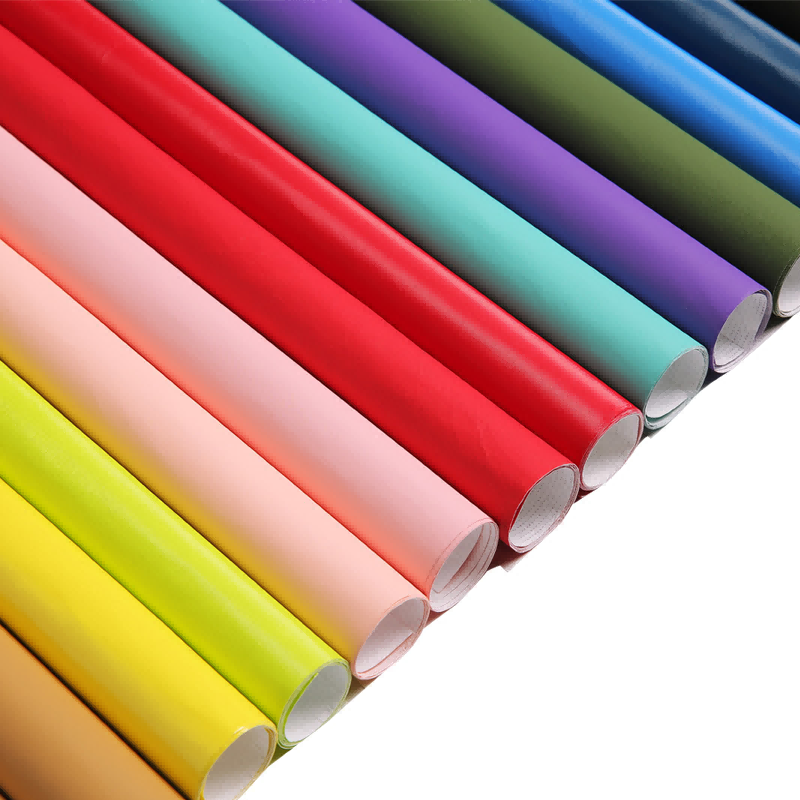
Textile fabrics are the lifeblood of fashion, serving as the medium through which creativity, innovation, and cultural expression come to life. Throughout history, fabrics have been central to the evolution of fashion, and today, textile technology and design continue to push boundaries, reflecting both aesthetic and functional needs. From luxurious silks to cutting-edge sustainable textiles, fabrics are constantly evolving, shaping how we dress, perceive style, and interact with our environment. This article explores the latest trends in textile fabrics, popular textures, and innovative textile techniques that define contemporary fashion.
Emerging Trends in Textile Fabrics
One of the most prominent trends in textile fabrics today is the growing emphasis on sustainability. As the fashion industry grapples with its environmental footprint, designers are increasingly turning to eco-friendly fabrics. Organic cotton, hemp, and bamboo are gaining popularity as sustainable alternatives to traditional materials. Additionally, recycled fabrics, such as those made from post-consumer plastic bottles or repurposed textiles, have become central to the conversation on sustainable fashion.
In the realm of high-tech fabrics, there is a notable rise in smart textiles. These fabrics incorporate embedded sensors or fibers that can respond to environmental stimuli such as temperature, moisture, or movement. For example, clothing made from thermochromic fabrics changes color with changes in temperature, while fabrics with built-in LED lights or conductive threads are being used in fashion to create interactive, visually engaging designs. These innovations open up new possibilities in fashion, blurring the line between technology and clothing.
Another key trend in textile fabrics is the use of luxurious, tactile materials that play with light and shadow. Velvet, silk, and satin are making a return, particularly in eveningwear and high-end collections. These fabrics provide a rich, polished appearance that contrasts with more casual or everyday fabrics. They add depth, dimension, and a sense of opulence to garments.
The Role of Textures in Fashion
Textures are an essential element in textile design, and their impact on fashion cannot be overstated. The tactile qualities of a fabric can completely transform a garment’s look and feel. Designers are increasingly experimenting with texture to create visually dynamic pieces that engage the senses. Textured fabrics such as jacquard, boucle, and tweed are making a comeback, offering unique surfaces that add character to clothing.
One notable texture that has gained popularity is pleating. Pleated fabrics, once reserved for formal occasions, are now being incorporated into everyday wear, adding volume and movement to garments. Whether in skirts, dresses, or tops, pleats provide a sense of fluidity and rhythm that makes the fabric come alive.
Another exciting trend is the use of 3D textures, which are achieved through embroidery, appliqué, or weaving techniques. These textures create sculptural effects, often giving garments a futuristic or avant-garde aesthetic. Designers use 3D textures to create garments that seem to evolve with movement, adding an element of surprise and innovation to the fashion experience.
Textile Techniques Shaping Fashion
Textile techniques are an integral part of fabric development and design. The use of traditional techniques, such as weaving, knitting, and embroidery, is being revitalized by contemporary designers who are incorporating them into modern fashion collections. In particular, handcraft techniques like embroidery are seeing a resurgence, with designers using intricate needlework to create one-of-a-kind garments.
Another technique making waves in textile design is laser cutting. This high-tech method allows designers to create detailed, precise patterns in fabrics without the need for physical stitching. Laser cutting enables the creation of delicate lace-like textures in leather, synthetics, and other materials, lending a modern, minimalist edge to fabrics.
Sustainable textile techniques are also gaining traction, with practices like dyeing fabrics using natural, plant-based methods or waterless dyeing techniques becoming more common. These methods reduce the environmental impact of textile production, and they allow for a more conscious approach to fashion creation.
Conclusion
Textile fabrics in fashion are constantly evolving, driven by trends that emphasize sustainability, tactile experiences, and innovative techniques. As designers continue to push the boundaries of what is possible with fabrics, we can expect to see even more exciting developments in the years to come. Whether through the use of sustainable materials, cutting-edge technology, or the revival of traditional techniques, the future of Diamond mesh composite reflective cloth in fashion promises to be a dynamic and creative journey that continues to shape how we dress and express ourselves.