Custom hoodies have become a cornerstone of modern streetwear, and their popularity has skyrocketed in recent years. Brands like palace skateboards have shown the world that a simple hoodie can carry massive style influence when paired with thoughtful design.
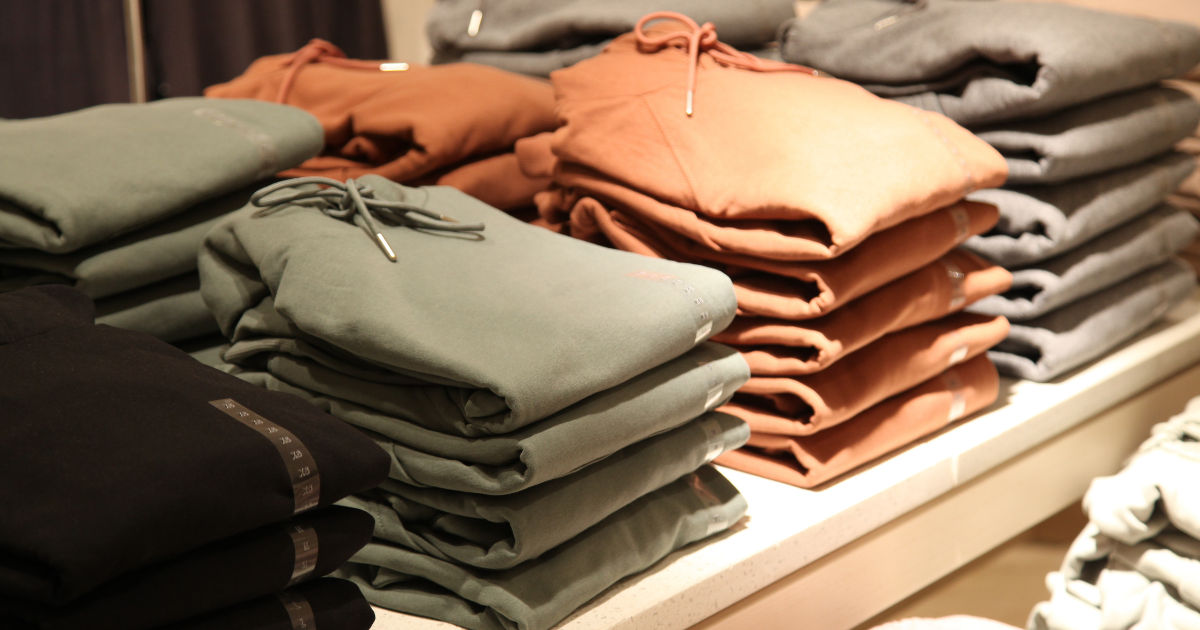 If you want to stand out and express your personality, designing your own hoodie is the perfect way to make a statement. In this guide, we’ll explore everything you need to know to create hoodies that are uniquely yours, from choosing materials to creating graphics, picking colors, and perfecting your style.
Understanding the Basics of Hoodie Design
Before you start sketching your dream hoodie, you need to understand the elements that make a hoodie stylish. A hoodie isn’t just a piece of clothing—it’s a canvas for your creativity.
Hoodie Styles
Hoodies come in many shapes and forms. The most common types include:
-
Pullover hoodies – The classic, cozy style with no zipper. Perfect for layering.
-
Zip-up hoodies – Versatile and easy to wear, great for casual everyday outfits.
-
Oversized hoodies – Popular in streetwear culture, they create a relaxed, bold look.
-
Cropped hoodies – Trendy among younger audiences, offering a modern twist on classic designs.
Each style communicates a different vibe. For instance, oversized hoodies exude comfort and casual streetwear vibes, while cropped hoodies are playful and fashionable.
Hoodie Materials
Material choice dramatically affects both style and comfort. Popular materials include:
-
Cotton – Soft, breathable, and versatile. Great for casual wear.
-
Fleece – Warm and plush, perfect for colder weather.
-
Polyester blends – Durable, wrinkle-resistant, and perfect for printing vibrant designs.
-
French terry – Lightweight with a smooth outer surface and looped inner texture for comfort.
Selecting the right material is essential because it affects how your design will appear, how comfortable the hoodie feels, and how long it lasts.
Defining Your Unique Style
To design a hoodie that truly stands out, you need to define what makes your style unique. This involves more than picking colors—it’s about creating a story through your hoodie.
Inspiration and Research
Look around for inspiration from streetwear brands like palace skateboards. Check fashion magazines, online platforms like Instagram and Pinterest, and even music culture. Observe patterns, logos, color palettes, and graphics that resonate with you. Don’t copy, but use them as a springboard to develop your own concepts.
Identifying Your Theme
Choose a theme or concept that reflects your personality. Some popular themes include:
-
Urban street culture – Graffiti patterns, bold graphics, and edgy color combinations.
-
Minimalism – Clean lines, neutral colors, and subtle logos.
-
Retro or vintage – Throwback colors and patterns inspired by past decades.
-
Nature-inspired – Earth tones, floral prints, and outdoor motifs.
A strong theme ensures your hoodie design is cohesive and intentional.
Choosing the Right Colors
Color is one of the most powerful tools in hoodie design. The colors you pick influence mood, style, and how others perceive your design.
Color Psychology
Colors communicate emotions and style. For example:
-
Black – Sleek, mysterious, and versatile.
-
White – Clean, minimalistic, and timeless.
-
Red – Bold, energetic, and attention-grabbing.
-
Pastels – Soft, playful, and trendy.
Use a limited color palette to maintain a professional look. Too many clashing colors can overwhelm the design.
Color Placement
Decide where to place your colors. Should the hoodie be a solid color with a vibrant graphic? Or a mix of contrasting panels for an edgy streetwear feel? Many palace skateboards hoodies utilize color blocking for a distinct, eye-catching style.
Graphic Design for Hoodies
Graphics are the heart of custom hoodies. They tell the story of your style and brand your look.
Digital Design Tools
Start by creating digital mockups using software like:
-
Adobe Illustrator – Perfect for vector graphics.
-
Photoshop – Great for detailed, photo-based designs.
-
Canva – User-friendly and ideal for beginners.
Creating a digital version allows you to experiment with placement, scale, and color without committing to physical materials.
Types of Graphics
There are many graphic options to consider:
-
Logos and text – Simple yet powerful, like palace skateboards’ iconic triangle logo.
-
Illustrations – Drawings or digital art can make your hoodie unique.
-
Patterns and prints – Camouflage, stripes, or abstract designs.
-
Tie-dye or bleach effects – Adds texture and personality.
Remember, graphics should complement the hoodie’s style. Oversized prints suit streetwear aesthetics, while small, subtle logos are ideal for minimalistic designs.
Placement of Graphics
Where you place your design affects the hoodie’s overall look. Consider these common options:
-
Center chest – Bold and visible.
-
Back – Offers a larger canvas for detailed art.
-
Sleeves – Adds flair to movement.
-
Hood – Small but eye-catching when visible from behind.
Adding Personal Touches
Custom hoodies are about individuality. Personal touches make your hoodie one-of-a-kind.
Embroidery and Patches
Embroidery adds texture and a premium feel. Patches can be sewn or ironed on to showcase logos, initials, or symbols that represent your style.
Custom Drawstrings and Zippers
Even minor details like the color of drawstrings or the style of a zipper can enhance the uniqueness of your hoodie. Consider metal zippers, neon strings, or patterned drawstrings for added flair.
Inside Labels and Tags
Include your own brand or personal message on the inside label. Small details like this make the hoodie feel professional and intentional.
Sizing and Fit
The right fit is crucial for both comfort and style. Hoodies that are too tight may be uncomfortable, while baggy hoodies may lose shape.
Standard Sizes
Use standard sizing charts as a reference but consider creating custom sizes if you want a perfect fit. Measure chest width, hoodie length, sleeve length, and shoulder width.
Oversized and Relaxed Fits
Oversized hoodies are extremely popular in streetwear. They create a bold aesthetic and allow for layering. Many palace skateboards hoodies use slightly relaxed fits to achieve this modern look.
Crop and Tailored Fits
Cropped hoodies cater to a more fashion-forward audience. Tailored fits are sleek and ideal for minimalistic or premium designs.
Printing Methods
Once you’ve designed your hoodie, you need to bring it to life. Choosing the right printing method ensures your graphics look sharp and durable.
Screen Printing
Screen printing is a traditional method where ink is pushed through a mesh stencil. It works best for bold, simple designs and lasts a long time.
Heat Transfer
Heat transfer uses heat to apply vinyl or printed graphics. It’s ideal for small runs and allows for complex designs with multiple colors.
Direct-to-Garment (DTG) Printing
DTG printing works like an inkjet printer on fabric. It’s excellent for detailed artwork and vibrant colors but works best on cotton or cotton-blend hoodies.
Embroidery
Embroidery adds texture and dimension. It’s perfect for logos, initials, or small accents and gives your hoodie a premium feel.
Layering and Styling
Your hoodie’s style isn’t complete without knowing how to wear it. Layering is essential for creating looks that pop.
Layering with Jackets
Pair your hoodie with denim jackets, leather jackets, or oversized coats. This adds depth and dimension to your outfit while keeping it streetwear-ready.
Accessorizing
Add hats, beanies, or jewelry to enhance your hoodie outfit. Scarves and backpacks can also add personality.
Matching with Bottoms
Consider pairing hoodies with:
-
Slim jeans for a sleek look
-
Joggers for a casual, comfy vibe
-
Shorts for a sporty style
The right combination will highlight your hoodie design while complementing your overall outfit.
Sustainability in Hoodie Design
Many designers are now prioritizing eco-friendly materials and ethical production. Consider using:
-
Organic cotton
-
Recycled fabrics
-
Water-based inks
Sustainable hoodies not only reduce environmental impact but also resonate with conscious consumers.
Building Your Brand with Custom Hoodies
Designing a hoodie is just the first step. If you want to make an impact, consider building a personal brand.
Social Media Presence
Showcase your designs on platforms like Instagram, TikTok, and Pinterest. Engage with followers and get feedback on new designs.
Limited Editions
Creating limited-run hoodies increases exclusivity and demand. Collaborations, even small ones, can also enhance your credibility and reach.
Storytelling
Every hoodie should tell a story. Whether it’s a design inspired by your hometown or your favorite artist, having a narrative connects your audience to your product.
Mistakes to Avoid
When designing custom hoodies, avoid these common pitfalls:
-
Overcomplicating designs – Sometimes less is more.
-
Ignoring fabric quality – Cheap materials undermine your design.
-
Poor sizing – Ill-fitting hoodies can ruin the look.
-
Copying existing brands – Stay original and avoid legal issues.
Being mindful of these mistakes will help ensure your hoodie is professional and stylish.
Conclusion
Designing custom hoodies for unique style is a rewarding and creative process. From choosing the right materials and colors to adding graphics and personal touches, every decision contributes to the overall impact of your design. Brands like palace skateboards demonstrate the power of a thoughtfully designed hoodie in streetwear culture, inspiring designers to experiment and innovate. Remember, your hoodie should reflect your personality, values, and creativity. By considering style, fit, graphics, and sustainability, you can create hoodies that are not only fashionable but also truly one-of-a-kind. Whether you are designing for personal use or building a brand, custom hoodies offer endless opportunities to express yourself and make a statement. Take your ideas from concept to reality, and your hoodie could become the centerpiece of your style identity.