Fzangfive Lifestyle & Fashion Microblading Eyebrows- Is It Right For You

Microblading Eyebrows- Is It Right For You

Microblading has become one of the most pop cosmetic treatments to get a dead shaped brow, without the fuss of obtaining a perm tattoo. To be sure about doing microblading, you need to know more, so keep recitation eyeliner correction in calgary.

Microblading is the work of using the thin vane-like instruments to make moderate incisions onto the skin and depositing pigment into it. Substantially different from permanent tattoos, this procedure seldom goes deep into the skin. As eyebrow trends keep evolving, most women choose to have this unique semi permanent wave tattoo for perfectly occupied in and molded eyebrows. However, before you pick out this subprogram, it is essential to know some evidential facts about Microblading eyebrows in Miami.

Semi-permanent procedure

Although microblading involves the same proficiency as getting a tattoo, it is different when compared to the of the pigment when it is placed in the skin. Permanent or traditional tattoo works deeper into the skin and will rarely fade away. On the other hand, microblading involves the use of degradable ink, which might last only for a year or perhaps three years, depending on your modus vivendi and skin type. It is an apotheosis option for those who love to change the visual aspect of their eyebrows often.

Results may vary according to skin types

Microblading yields different results for different skin types. It works dead on dry skin as it has the trend to hold the pigment for a thirster period of time. On the contrary, populate with oily skin are often at the risk of pigment hydration and rejection. It works on oily skin but it might take a while to heal completely and the strokes may not be as scrunch as it should be.

Discomfort and pain

As it is a semi permanent tattoo on the face, you can expect mild pain and discomfort. Most of the artists use local numbing creams to ease the pain. Some people experience mild puffiness and red, which is pattern. However, if you see immoderate puffiness, discomfort, or redness, it is requisite to travel to a doctor as chop-chop as possible. Not everyone is an ideal prospect for this semi permanent tattooing subroutine. Some people might risk infections if they are consuming roue thinners or other medications. It is wise to seek the advice of your Dr. before you take microblading for your eyebrows.

Procedure takes time

Microblading is a subroutine that requires two Sessions. The initial seance takes around two hours when the artist discusses about the wanted visual aspect of your eyebrow, draws a guide and so forth. The tattooing work begins when you okay the drawing or the form of the brow. The next sitting is usually after six to eight weeks after the skin has recovered. However, it is of import to think of that some heal quickly whereas others take some time. The creative person will then make adjustments on the denseness and tinge of the brows.

Before you take microblading eyebrows in Miami, transmit thorough explore on the artist because the stallion routine involves intricacy and safety. Therefore, you need a well-trained and complete creative person to create that absolutely construction brow.

Leave a Reply

Your email address will not be published. Required fields are marked *

Related Post

How Massages Can Enhance Your Business TripHow Massages Can Enhance Your Business Trip

Business excursions may be equally fascinating and also strenuous. The particular hustle and bustle regarding touring, participating in group meetings, and also fine-tuning to be able to diverse moment zones usually takes any toll on your own body and mind. One fashion to reduce the tension and also tiredness connected with enterprise vacation will be by means of therapeutic massage. This kind of information can investigate some great benefits of enterprise vacation massages, where to find the most effective massage therapy companies, and also methods for including therapeutic massage directly into the vacation program.

Benefits regarding Enterprise Vacation Massages

Reducing Anxiety and also Anxiety

Traveling regarding enterprise usually requires limited daily activities and also high-pressure group meetings, which usually can cause improved panic and anxiety. A specialist massage therapy can help loosen up the body and mind, lowering anxiety ranges and also marketing a sense regarding peaceful. Typical massages also can help reduced cortisol ranges, the particular hormone connected with anxiety.

Alleviating Muscle tissue Anxiety and also Pain

Sitting regarding very long periods about flights or perhaps inside group meetings could cause muscle tissue anxiety and also soreness, specifically inside the throat, shoulder muscles, and also again. Therapeutic massage can easily efficiently reduce this kind of distress simply by concentrating on certain aspects of anxiety, bettering blood circulation, and also marketing leisure with the muscle groups.

Improving Slumber Quality

Jet lag and also infrequent slumber styles are normal concerns regarding enterprise tourists. Therapeutic massage can help increase slumber top quality simply by marketing leisure and also lowering anxiety. This is specifically helpful for many who have difficulty to sleep in different surroundings or perhaps have difficulty fine-tuning to be able to fresh moment zones.

Boosting Resistant Function

Frequent vacation can easily damage the particular disease fighting capability, making you a lot more prone to disease. Typical massages can help enhance the resistant operate simply by improving lymphatic flow and also marketing the particular creation regarding white-colored blood vessels tissues. This assists to help keep an individual healthful and also energized in your enterprise vacation.

Finding the most effective Massage therapy Companies over a Enterprise Trip

Researching Neighborhood Gyms and also Massage therapy Therapists

Before the vacation, take the time to research neighborhood gyms and also massage therapy experienced counselors within your vacation spot metropolis. Try to find critiques and also tips coming from some other tourists to make certain you will find a reputable and also high-quality program. Several accommodations furthermore offer you in-house massage therapy companies or perhaps can recommend neighborhood gyms.

Booking inside Advance

To ensure you get the particular consultation moment in which finest matches the plan, it’s best if you publication the massage therapy beforehand. This is specifically crucial when you have any active vacation plans or perhaps are usually planning a trip to a favorite vacation spot in which sessions may well refill swiftly.

Considering Cell Massage therapy Services

If you would like to loosen up inside the ease and comfort of one’s college accommodation, take into account arranging any cell massage therapy program. Several specialist experienced counselors offer you this kind of hassle-free alternative, delivering every one of the essential products in your place. This kind of will save you moment and offer an even more individualized knowledge.

Tips regarding Including Therapeutic massage directly into The Vacation Routine

Scheduling About The Itinerary

Plan the massage therapy sessions about your organization commitments to make certain you might have enough time and energy to loosen up and revel in the ability. Booking any massage therapy by the end of your active evening can assist you loosen up and also plan any relaxing night’s slumber.

Staying Hydrated

Drinking a lot of h2o just before and also right after the massage therapy can help eliminate out there toxic compounds and forestall dehydration. That is specifically crucial when you’ve recently been traveling, since flights may be dehydrating.

Communicating The Needs

Be positive to be able to talk virtually any certain aspects of anxiety or perhaps distress in your 출장마사지 therapy therapist. They could tailor the particular treatment to treat your own wants and also ensure you get one of the most take advantage of the therapy.

Making Massage therapy an everyday Section of The Routine

Incorporating typical massages directly into the vacation program may have long-term rewards to your overall fitness and also well-being. Whether or not an individual vacation regularly or perhaps sometimes, creating moment regarding therapeutic massage can assist you keep peaceful, targeted, and also energized.

In bottom line, enterprise vacation massages offer you a selection of rewards that will boost the vacation knowledge and also increase your overall well-being. Simply by taking the time to get top quality massage therapy companies and also including these directly into the program, it is possible to lessen anxiety, reduce muscle tissue anxiety, and also enhance the resistant operate, creating your organization excursions more fulfilling and also successful.

.

The Poetry of Gemstones and Gold: Discover the Mesmerizing World of NIWAKA, Japan’s Jewel of LuxuryThe Poetry of Gemstones and Gold: Discover the Mesmerizing World of NIWAKA, Japan’s Jewel of Luxury

In the world of luxury jewelry, few brands capture the essence of craftsmanship and beauty quite like NIWAKA. With roots deeply embedded in Japan’s rich cultural heritage, NIWAKA represents a unique blend of timeless tradition and cutting-edge design. The brand’s commitment to creating exquisite, artfully crafted pieces is a testament to the powerful connection between gemstones, gold, and the poetic philosophy that underpins the artistry of their creations. Each piece from NIWAKA is not just a jewel but a symbol of beauty, emotion, and the natural world, with every stone, setting, and design telling a story. cincin tunangan.

A Legacy of Craftsmanship: From Kyoto to the World

NIWAKA’s journey began in Kyoto, Japan, a city known for its centuries-old traditions in fine arts, tea ceremonies, and the meticulous craftsmanship of its artisans. The brand’s founders drew inspiration from Kyoto’s cultural landscape, particularly its affinity for nature, symmetry, and harmony. This inspiration is evident in the design philosophy that defines NIWAKA’s work: a harmonious fusion of Japan’s traditional aesthetics with a modern sensibility.

From the very beginning, NIWAKA has set itself apart by working exclusively with the finest gemstones. The brand uses diamonds, sapphires, rubies, and other precious stones that are meticulously selected for their brilliance, clarity, and color. The stones are sourced from around the world, and each one is handpicked not only for its rarity but also for the story it tells. In this way, the gemstones used by NIWAKA are not mere adornments; they are pieces of nature’s poetry.

The Art of Japanese Jewelry Design: Inspiration from Nature

Japanese design is deeply influenced by the natural world, and this influence is palpable in NIWAKA’s collections. Each design is imbued with elements drawn from Japan’s flora and fauna, as well as its landscapes and seasons. The symbolic meanings behind these elements are as important as the aesthetic beauty of the finished piece.

For example, one of the most iconic collections from NIWAKA is the Kizuna series, which features delicate, interlocking motifs symbolizing the bond between two people. The word "Kizuna" translates to “connection” or “relationship,” and each piece in this series is a celebration of love and unity. The smooth curves and flowing lines of the design evoke the beauty of nature—whether it's the fluid movement of a river or the gentle sway of a tree’s branches in the wind.

Another stunning example is the Sora collection, which draws inspiration from the changing colors of the sky at dawn and dusk. The interplay of light and color in the sapphires, diamonds, and gold is a reflection of the shifting hues of the horizon, capturing a fleeting moment of beauty that is both intimate and grand.

The Poetry of Gold: A Symbol of Elegance and Luxury

While gemstones are at the heart of NIWAKA’s creations, it is the gold that brings these precious stones to life. The brand’s mastery over gold crafting is evident in its intricate metalwork, which ranges from delicate filigree to bold, sculptural forms. Gold, a symbol of wealth, purity, and sophistication, serves as the perfect canvas for the vivid gemstones that sit at the center of each design.

One of the distinguishing features of NIWAKA’s gold jewelry is its unique finish. The artisans employ a technique known as moriage, which involves layering fine gold to create depth and texture. This technique adds a sense of movement and fluidity to the design, making each piece feel alive, as though it is part of a larger, ever-changing narrative. The combination of gold and gemstones in NIWAKA's designs is both visually stunning and emotionally resonant, offering wearers a sense of connection to the natural world and the poetic beauty of life.

Global Recognition and the Promise of Timeless Beauty

Today, NIWAKA is celebrated not only in Japan but internationally, becoming synonymous with luxury, elegance, and exceptional quality. The brand’s pieces have found their way into the hands of collectors, fashion icons, and those who appreciate the finer things in life. But despite its global reach, NIWAKA remains committed to its artisanal roots, continuing to create each piece with the same attention to detail and reverence for tradition that first inspired its founders.

In a world where trends often come and go, NIWAKA’s jewelry stands as a timeless testament to the beauty of the natural world, the craftsmanship of Japanese artisans, and the emotional power of gemstones. Each piece tells a story—one that is as ancient as the earth itself and as contemporary as the modern desire for elegance and luxury. The poetry of gemstones and gold continues to shine through, one radiant creation at a time.

Through its artistry, NIWAKA has redefined what it means to wear jewelry, turning each piece into a work of art that is not only seen but felt—a true jewel of luxury that transcends time.

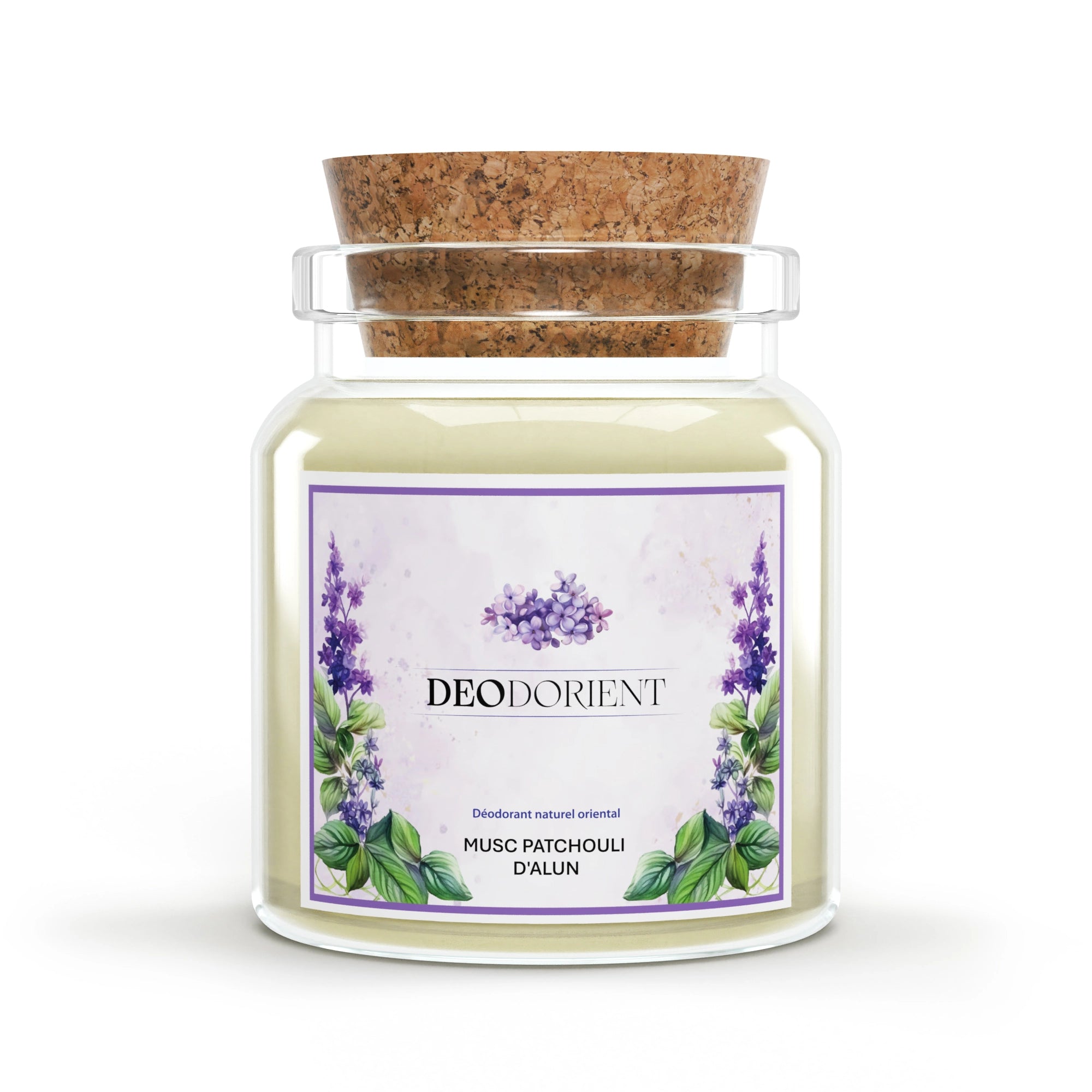
Un Information Du Débutant Sur Les Déodorants Organiques: Tout Ce Que Vous Devriez SavoirUn Information Du Débutant Sur Les Déodorants Organiques: Tout Ce Que Vous Devriez Savoir


Les déodorants biologiques gagnent en popularité à mesure que les consommateurs prennent conscience des effets néfastes que les produits chimiques contenus dans les déodorants traditionnels peuvent avoir sur la santé et l’environnement. Ces produits, souvent composés de aluminium, de parabènes, sont associés à des risques pour la peau, l’équilibre hormonal, voire des troubles plus graves. En réponse à cette préoccupation, les déodorants naturels se présentent comme une solution plus douce, plus sûre et plus respectueuse de la nature. Ces produits utilisent des ingrédients organiques qui non seulement neutralisent les odeurs corporelles, mais prennent également soin de la peau.

Les déodorants naturels sont principalement fabriqués à partir d’huiles essentielles, de bicarbonate de soude, de beurre végétal, de cire naturelle et d’autres ingrédients d’origine végétale qui possèdent des propriétés antibactériennes. Ces ingrédients naturels aident à combattre les mauvaises odeurs sans obstruer les pores, contrairement aux déodorants traditionnels qui peuvent provoquer des irritations cutanées. L’un des principaux avantages de ces déodorants est qu’ils sont exempts de produits chimiques agressifs, ce qui les rend adaptés même aux peaux sensibles. De plus, les huiles essentielles utilisées dans leur fabrication offrent une multitude de bénéfices pour la peau, en lui apportant des propriétés apaisantes.

Un autre atout des déodorants naturels réside dans leur faible impact environnemental. Alors que les déodorants classiques sont souvent vendus dans des emballages plastiques non recyclables, de plus en plus de marques de déodorants naturels optent pour des emballages durables, comme des bouteilles en verre. Cette démarche s’inscrit dans une logique de réduction des déchets et de préservation des ressources naturelles. De plus, la plupart des ingrédients utilisés pour fabriquer ces produits sont issus de l’agriculture sans pesticides, ce qui contribue à soutenir des pratiques agricoles durables et respectueuses de la planète.

Les avantages des déodorants naturels ne se limitent pas seulement à leur composition respectueuse de la peau et de l’environnement. En adoptant ces produits, les consommateurs participent activement à un mode de vie plus sain et plus éthique. Beaucoup de personnes choisissent de passer aux déodorants naturels pour limiter leur exposition aux substances chimiques toxiques présentes dans de nombreux produits de soin. Ce changement peut également avoir des effets positifs sur la santé générale, notamment en réduisant le risque d’irritations cutanées, de dermatites ou d’allergies. De plus, en choisissant des produits fabriqués localement et de manière éthique, les consommateurs soutiennent l’économie locale et encouragent les entreprises qui privilégient les valeurs de durabilité et de respect de l’environnement.

Toutefois, bien que les déodorant pierre d’alun s naturels soient une excellente alternative pour de nombreuses personnes, il est important de noter qu’ils ne sont pas forcément aussi efficaces que les déodorants conventionnels, surtout dans des situations de forte sudation. Cela peut dépendre des ingrédients et des formulations spécifiques. Certains utilisateurs peuvent également constater une période d’adaptation pendant laquelle leur peau s’habitue à l’absence de produits chimiques. Toutefois, de nombreuses personnes trouvent que ces produits sont suffisants pour maintenir une sensation de fraîcheur tout au long de la journée, sans les effets indésirables des déodorants traditionnels.

En conclusion, les déodorants naturels représentent une alternative saine, respectueuse de l’environnement et bénéfique pour la peau. En choisissant ces produits, les consommateurs prennent soin de leur bien-être tout en contribuant à la préservation de la planète. Bien que leur efficacité puisse varier d’une personne à l’autre, ces déodorants sont une option viable et de plus en plus populaire pour ceux qui souhaitent adopter une routine de soins plus naturelle et responsable.

The Art and Science of Jersey Design: Crafting Identity, Performance, and StyleThe Art and Science of Jersey Design: Crafting Identity, Performance, and Style

Jersey design is a fascinating intersection of creativity, functionality, and cultural representation. Once a simple piece of athletic gear, the modern jersey has evolved into an iconic symbol that represents not only a team’s identity but also the aspirations and emotions of athletes and fans alike. Whether for professional athletes or passionate supporters, jerseys have become cultural artifacts that hold significant value in sports and fashion alike. In this article, we’ll explore the intricate art and science behind jersey design, examining how creativity, technology, and branding merge to create a timeless and functional garment.

The Origin and Evolution of Jersey Design

In its earliest days, the jersey was a simple garment designed to serve as a uniform for athletes. Early jerseys were typically made from cotton or wool, serving purely practical purposes—providing coverage, comfort, and ease of movement. These early designs were rudimentary, consisting of basic colors, numbers, and sometimes the name of the team.

As the popularity of sports grew in the 20th century, jerseys began to evolve beyond mere functionality. They became tools for team branding, representing the unique identity of each franchise or organization. Over time, colors, logos, and patterns started to hold deeper meanings—embodying the history, culture, and aspirations of the teams and communities they represented.

By the 1980s and 1990s, jerseys transitioned from mere utilitarian items into key elements of fan culture, transcending the field of play to become cherished possessions worn proudly by supporters. Today, jersey design has grown into an art form, with intricate designs that balance functionality, aesthetics, and cultural significance.

The Intersection of Performance and Design

A jersey is primarily an article of performance gear, and its design must serve the practical needs of athletes. A good jersey must optimize comfort, freedom of movement, and durability—ensuring that athletes can perform at their highest level without being hindered by their clothing. This delicate balance between performance and aesthetics is what makes modern jersey design so complex.

  1. Materials and Innovation Modern jerseys are crafted from high-tech fabrics designed to enhance performance. Materials like polyester, spandex, and Lycra are lightweight, durable, and moisture-wicking, ensuring that athletes stay dry and comfortable even during the most intense physical activity. These materials are also flexible, allowing athletes to move freely and without restriction.

    The innovation of fabrics has also led to the development of specialized jerseys, such as those designed for extreme weather conditions. For example, jerseys may feature cooling technology to regulate body temperature in hot climates or insulation to provide warmth in colder weather. These performance-driven innovations are crucial in optimizing an athlete’s capabilities, offering a functional advantage on the field.

  2. Fit and Functionality In addition to the fabric, the cut and fit of a jersey are also crucial to its performance. A tight-fitting jersey reduces air resistance, making it ideal for sports like cycling, running, or swimming. However, the fit varies depending on the sport and the desired functionality. For team sports like basketball or soccer, jerseys tend to be slightly looser to allow for greater range of motion, while still maintaining a streamlined look.

    The design of a jersey must also accommodate factors like breathability, moisture control, and durability. Mesh panels, for instance, are often incorporated into jerseys to increase airflow and prevent overheating. At the same time, jerseys need to be durable enough to withstand the physical wear and tear that comes with competitive sports.

The Cultural Impact of Jerseys

Jersey design is not just about creating functional gear—it's also about representing identity, unity, and culture. A jersey serves as a visual representation of a team’s history, its community, and its values. The design of a jersey can evoke strong emotional connections and create a sense of belonging among fans and athletes alike.

  1. Team Identity and Pride The color scheme and logos of a jersey are powerful symbols of team identity. Every team’s jersey tells a story, often deeply connected to its city, region, or cultural roots. For instance, the New York Yankees’ iconic navy blue and white colors evoke a sense of tradition, history, and pride. Similarly, the green jerseys of the Boston Celtics symbolize the team’s legacy in basketball and its deep ties to the city’s Irish heritage.

    These elements of team identity go beyond aesthetics—they create a bond between players and fans. Fans often feel a deep emotional connection to the team they support, and wearing a jersey allows them to demonstrate their loyalty. The jersey becomes more than just a piece of clothing—it becomes a symbol of shared experiences, triumphs, and struggles.

  2. Fashion Influence While jerseys were once seen primarily as functional athletic wear, today they are also considered fashion statements. This shift has been especially noticeable in the world of streetwear, where jerseys are often worn outside the context of sports. From hip-hop culture to high-fashion runways, jerseys have become a staple of casual wear, with oversized fits and bold designs becoming popular in mainstream fashion.

    Designers and brands are increasingly using jersey-inspired elements in their collections, reflecting the fusion of sports and style. Jerseys, particularly from famous teams or iconic players, are now seen as collectible items—symbolic pieces of fashion history. In this way, jerseys have moved far beyond the field to become cultural symbols that transcend sport itself.

The Role of Branding and Sponsorship in Jersey Design

One of the most significant changes in modern 熱昇華印刷 is the increasing importance of branding and sponsorship. Jerseys are no longer just for players—they are valuable marketing tools for teams, sponsors, and corporations. The placement of logos, sponsor names, and brand identities on jerseys has become a strategic part of the design process.

  1. Sponsor Integration Sponsors play a crucial role in the financial landscape of modern sports. As a result, their logos are often prominently featured on jerseys, sometimes on the chest, sleeves, or even the shorts. Balancing the visibility of these logos while maintaining the integrity of the team’s design is an important aspect of the designer’s job.

    The challenge lies in integrating sponsor logos in a way that enhances, rather than detracts from, the overall design of the jersey. Many teams work closely with their sponsors to ensure that their logos are aligned with the team's identity and aesthetic. The result is a jersey that not only represents the team but also promotes the companies that support them.

  2. Creating Iconic Logos and Graphics One of the key elements of jersey design is the creation of a strong, memorable logo. The logo is the focal point of the design, and it must be instantly recognizable, whether it’s on a team’s home jersey or a fan’s shirt. Designers often work to incorporate elements of the team’s history, geography, or values into the logo, creating a lasting visual identity.

    In addition to logos, graphic design elements such as stripes, patterns, and color gradients are often used to enhance the jersey’s overall aesthetic. These elements must be chosen carefully to ensure that they align with the team’s branding and culture, while also remaining visually appealing and functional for the athlete.

The Future of Jersey Design: Innovation and Sustainability

As we look toward the future of jersey design, several exciting trends are emerging, driven by technological advancements and growing environmental awareness.

  1. Smart Jerseys The integration of technology into jerseys is poised to revolutionize the industry. Smart jerseys, embedded with sensors, could provide real-time performance data such as heart rate, body temperature, and muscle strain. This data could be used by athletes and coaches to optimize performance and reduce injury. Additionally, smart fabrics that adjust to environmental conditions—such as regulating body temperature—could enhance the comfort and performance of athletes in extreme conditions.

  2. Sustainability and Eco-Friendly Materials As the world becomes more conscious of the environmental impact of fast fashion, the demand for sustainable jerseys is growing. Many brands are exploring eco-friendly materials such as recycled polyester, organic cotton, and biodegradable fabrics. These sustainable options not only reduce the environmental footprint of production but also appeal to consumers who prioritize eco-conscious choices.

    The future of jersey design will likely see more brands turning to innovative, sustainable practices that ensure jerseys are both high-performance and environmentally responsible.

Conclusion

Jersey design is a unique blend of artistry, science, and culture. From the very beginning as a piece of functional athletic gear to its current role as a cultural icon and fashion statement, the jersey continues to evolve. Modern jersey design goes beyond performance, incorporating elements of identity, history, and emotional connection. With technological innovations on the horizon, jerseys will only continue to enhance the athlete’s experience while remaining a vital part of global fan culture and fashion. As we look ahead, it’s clear that the future of jersey design will be shaped by innovation, sustainability, and the enduring passion of fans and athletes worldwide.

The Future of Printing: Trends, Innovations, and OpportunitiesThe Future of Printing: Trends, Innovations, and Opportunities

Printing has been an essential part of our society for centuries, starting with the invention of the printing press by Johannes Gutenberg in the 15th century. While the digital age has transformed communication, printing continues to play a crucial role in industries such as marketing, education, manufacturing, and art. As technology continues to evolve, the future of printing looks promising, with new innovations offering exciting opportunities. In this article, we will explore some of the latest trends and innovations shaping the future of printing and how they are transforming various industries.

The Digital Revolution in Printing

One of the most significant developments in the printing world is the shift toward digital printing. Digital printing involves directly transferring digital images onto various surfaces, eliminating the need for traditional printing plates. This method has become increasingly popular due to its ability to provide high-quality prints quickly and at a lower cost for small print runs.

The growing demand for personalization and customization in products has made digital printing a key player in industries like fashion, packaging, and marketing. With digital printing, companies can offer on-demand printing, which allows them to print materials as needed rather than in bulk. This flexibility reduces waste and ensures that businesses can meet customer demands without overproduction.

Moreover, digital printing offers more efficient workflows and faster turnaround times, allowing businesses to stay competitive in a fast-paced, on-demand market. As digital printing technology continues to improve, we can expect even greater advancements in speed, quality, and versatility, making it an even more integral part of various industries.

3D Printing: Transforming Manufacturing and Beyond

Perhaps one of the most groundbreaking innovations in the world of printing is 3D printing, also known as additive manufacturing. Unlike traditional printing, which produces two-dimensional images, 3D printing creates three-dimensional objects by adding layer upon layer of material. This technology has the potential to revolutionize industries such as healthcare, automotive, aerospace, and construction.

In the medical field, 3D printing is already being used to create custom prosthetics, implants, and even organs. Surgeons can use 3D-printed models to plan complex surgeries with greater precision, and patients benefit from more personalized, accurate solutions. As the technology advances, 3D printing is expected to make even more significant contributions to healthcare, from the creation of tissue and organ transplants to customized medical devices.

In manufacturing, 3D printing allows for rapid prototyping and the production of intricate parts that would be difficult or impossible to create using traditional methods. Industries like aerospace and automotive are already using 3D printing to produce lightweight and durable components, reducing material waste and cutting production costs. The ability to produce custom parts on demand also reduces the need for large inventories, providing a more sustainable and cost-effective solution.

Additionally, 3D printing is even making its way into construction, with entire buildings being 3D printed using concrete and other materials. This technology has the potential to drastically reduce construction costs and time, making affordable housing more accessible and enabling faster disaster recovery in affected areas.

Eco-Friendly and Sustainable Printing Practices

As the world becomes more environmentally conscious, the printing industry is following suit by adopting more sustainable practices. Eco-friendly printing technologies are on the rise, focusing on reducing waste, conserving energy, and using sustainable materials.

One of the main trends is the use of recycled paper and biodegradable inks. Recycled paper is made from post-consumer waste, reducing the need for virgin wood pulp and minimizing deforestation. Biodegradable inks, often made from plant-based materials, offer a more eco-friendly alternative to traditional petroleum-based inks, which can be harmful to the environment.

In addition to using sustainable materials, many printing companies are focusing on reducing their carbon footprint. Energy-efficient printing presses, solar-powered facilities, and waste-reduction initiatives are helping to minimize the environmental impact of 易拉架 operations.

Print-on-demand services also support sustainability by ensuring that only the necessary quantity of items is produced. This reduces excess inventory, waste, and the carbon footprint associated with shipping unsold goods. Businesses and consumers alike are increasingly opting for on-demand printing to make the most of their resources while minimizing environmental harm.

The Role of Augmented Reality (AR) and Interactive Print

As digital technologies continue to blur the lines between the physical and virtual worlds, augmented reality (AR) is making its way into the printing industry. AR allows users to interact with printed materials using smartphones or AR glasses, unlocking additional content or experiences that go beyond what can be seen on paper alone.

This technology opens up new possibilities for marketing, education, and entertainment. For example, printed brochures, advertisements, or packaging can come to life when scanned with a smartphone, displaying videos, 3D models, or interactive product demos. This level of engagement enhances the user experience and provides brands with a unique way to connect with consumers.

Interactive print also has potential applications in education, where printed textbooks or learning materials could be enhanced with AR elements. Students can interact with lessons in a more immersive way, improving learning outcomes and engagement.

As AR technology becomes more advanced and accessible, we can expect it to play a significant role in the future of printing, creating richer and more dynamic experiences for users.

The Impact of Artificial Intelligence (AI) and Automation

Artificial intelligence (AI) and automation are set to play a crucial role in the future of printing. From predictive maintenance of printing equipment to optimizing print workflows, AI is streamlining the printing process and improving efficiency. AI can analyze production data to anticipate issues before they arise, reducing downtime and minimizing the need for human intervention.

Automation also improves the speed and precision of printing operations. Automated systems can handle everything from color management to packaging, allowing for faster turnaround times and higher consistency in print quality. This is particularly valuable for industries that require large-scale, high-volume printing, such as packaging and advertising.

Moreover, AI-driven design tools are transforming the creative process, enabling designers to generate print-ready designs with greater ease and accuracy. Machine learning algorithms can also analyze consumer behavior to create personalized marketing materials tailored to individual preferences.

Conclusion

The future of printing is bright, with numerous innovations shaping the way businesses, industries, and consumers interact with printed materials. From the rise of digital printing and 3D printing to the adoption of eco-friendly practices and the integration of augmented reality, the printing industry is evolving to meet the demands of a digital and sustainable future.

As technology continues to advance, printing will remain a vital tool for communication, creativity, and industry. With the continuous exploration of new possibilities, the future of printing holds exciting opportunities, offering businesses and consumers a more efficient, personalized, and sustainable way to produce and interact with printed content. The printing industry is not just surviving in the digital age—it is thriving, and its evolution shows no signs of slowing down.