
Fzangfive Lifestyle & Fashion how to design custom hoodies for unique style?

how to design custom hoodies for unique style?

Custom hoodies have become a cornerstone of modern streetwear, and their popularity has skyrocketed in recent years. Brands like palace skateboards have shown the world that a simple hoodie can carry massive style influence when paired with thoughtful design.
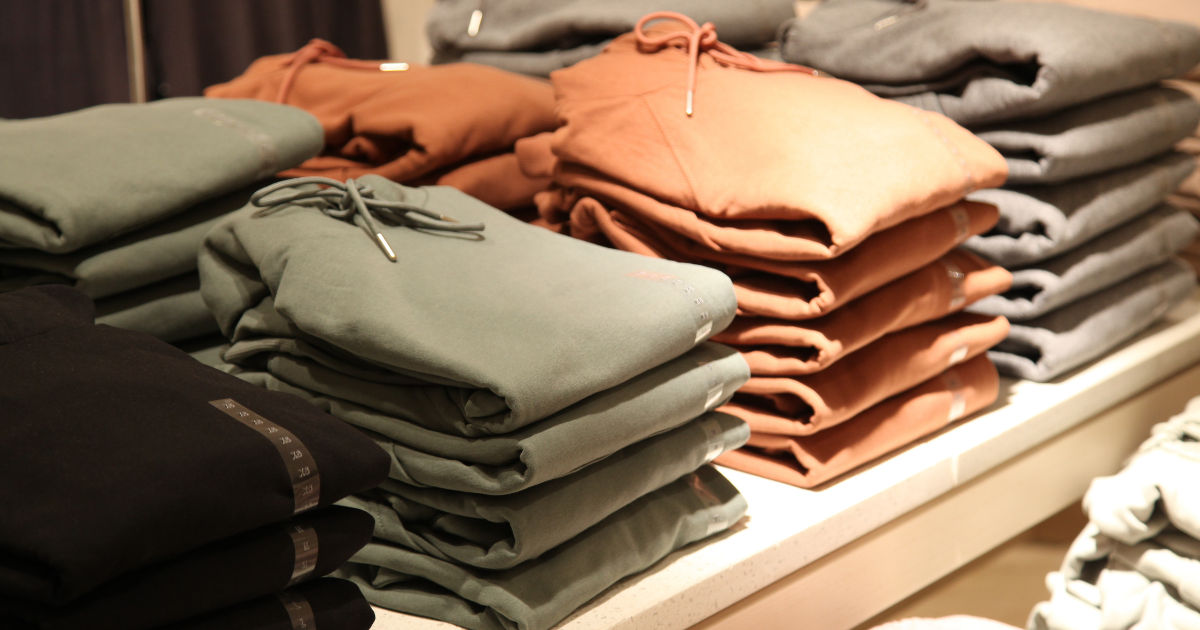
If you want to stand out and express your personality, designing your own hoodie is the perfect way to make a statement. In this guide, we’ll explore everything you need to know to create hoodies that are uniquely yours, from choosing materials to creating graphics, picking colors, and perfecting your style.

Understanding the Basics of Hoodie Design

Before you start sketching your dream hoodie, you need to understand the elements that make a hoodie stylish. A hoodie isn’t just a piece of clothing—it’s a canvas for your creativity.

Hoodie Styles

Hoodies come in many shapes and forms. The most common types include:

  • Pullover hoodies – The classic, cozy style with no zipper. Perfect for layering.

  • Zip-up hoodies – Versatile and easy to wear, great for casual everyday outfits.

  • Oversized hoodies – Popular in streetwear culture, they create a relaxed, bold look.

  • Cropped hoodies – Trendy among younger audiences, offering a modern twist on classic designs.

Each style communicates a different vibe. For instance, oversized hoodies exude comfort and casual streetwear vibes, while cropped hoodies are playful and fashionable.

Hoodie Materials

Material choice dramatically affects both style and comfort. Popular materials include:

  • Cotton – Soft, breathable, and versatile. Great for casual wear.

  • Fleece – Warm and plush, perfect for colder weather.

  • Polyester blends – Durable, wrinkle-resistant, and perfect for printing vibrant designs.

  • French terry – Lightweight with a smooth outer surface and looped inner texture for comfort.

Selecting the right material is essential because it affects how your design will appear, how comfortable the hoodie feels, and how long it lasts.

Defining Your Unique Style

To design a hoodie that truly stands out, you need to define what makes your style unique. This involves more than picking colors—it’s about creating a story through your hoodie.

Inspiration and Research

Look around for inspiration from streetwear brands like palace skateboards. Check fashion magazines, online platforms like Instagram and Pinterest, and even music culture. Observe patterns, logos, color palettes, and graphics that resonate with you. Don’t copy, but use them as a springboard to develop your own concepts.

Identifying Your Theme

Choose a theme or concept that reflects your personality. Some popular themes include:

  • Urban street culture – Graffiti patterns, bold graphics, and edgy color combinations.

  • Minimalism – Clean lines, neutral colors, and subtle logos.

  • Retro or vintage – Throwback colors and patterns inspired by past decades.

  • Nature-inspired – Earth tones, floral prints, and outdoor motifs.

A strong theme ensures your hoodie design is cohesive and intentional.

Choosing the Right Colors

Color is one of the most powerful tools in hoodie design. The colors you pick influence mood, style, and how others perceive your design.

Color Psychology

Colors communicate emotions and style. For example:

  • Black – Sleek, mysterious, and versatile.

  • White – Clean, minimalistic, and timeless.

  • Red – Bold, energetic, and attention-grabbing.

  • Pastels – Soft, playful, and trendy.

Use a limited color palette to maintain a professional look. Too many clashing colors can overwhelm the design.

Color Placement

Decide where to place your colors. Should the hoodie be a solid color with a vibrant graphic? Or a mix of contrasting panels for an edgy streetwear feel? Many palace skateboards hoodies utilize color blocking for a distinct, eye-catching style.

Graphic Design for Hoodies

Graphics are the heart of custom hoodies. They tell the story of your style and brand your look.

Digital Design Tools

Start by creating digital mockups using software like:

  • Adobe Illustrator – Perfect for vector graphics.

  • Photoshop – Great for detailed, photo-based designs.

  • Canva – User-friendly and ideal for beginners.

Creating a digital version allows you to experiment with placement, scale, and color without committing to physical materials.

Types of Graphics

There are many graphic options to consider:

  • Logos and text – Simple yet powerful, like palace skateboards’ iconic triangle logo.

  • Illustrations – Drawings or digital art can make your hoodie unique.

  • Patterns and prints – Camouflage, stripes, or abstract designs.

  • Tie-dye or bleach effects – Adds texture and personality.

Remember, graphics should complement the hoodie’s style. Oversized prints suit streetwear aesthetics, while small, subtle logos are ideal for minimalistic designs.

Placement of Graphics

Where you place your design affects the hoodie’s overall look. Consider these common options:

  • Center chest – Bold and visible.

  • Back – Offers a larger canvas for detailed art.

  • Sleeves – Adds flair to movement.

  • Hood – Small but eye-catching when visible from behind.

Adding Personal Touches

Custom hoodies are about individuality. Personal touches make your hoodie one-of-a-kind.

Embroidery and Patches

Embroidery adds texture and a premium feel. Patches can be sewn or ironed on to showcase logos, initials, or symbols that represent your style.

Custom Drawstrings and Zippers

Even minor details like the color of drawstrings or the style of a zipper can enhance the uniqueness of your hoodie. Consider metal zippers, neon strings, or patterned drawstrings for added flair.

Inside Labels and Tags

Include your own brand or personal message on the inside label. Small details like this make the hoodie feel professional and intentional.

Sizing and Fit

The right fit is crucial for both comfort and style. Hoodies that are too tight may be uncomfortable, while baggy hoodies may lose shape.

Standard Sizes

Use standard sizing charts as a reference but consider creating custom sizes if you want a perfect fit. Measure chest width, hoodie length, sleeve length, and shoulder width.

Oversized and Relaxed Fits

Oversized hoodies are extremely popular in streetwear. They create a bold aesthetic and allow for layering. Many palace skateboards hoodies use slightly relaxed fits to achieve this modern look.

Crop and Tailored Fits

Cropped hoodies cater to a more fashion-forward audience. Tailored fits are sleek and ideal for minimalistic or premium designs.

Printing Methods

Once you’ve designed your hoodie, you need to bring it to life. Choosing the right printing method ensures your graphics look sharp and durable.

Screen Printing

Screen printing is a traditional method where ink is pushed through a mesh stencil. It works best for bold, simple designs and lasts a long time.

Heat Transfer

Heat transfer uses heat to apply vinyl or printed graphics. It’s ideal for small runs and allows for complex designs with multiple colors.

Direct-to-Garment (DTG) Printing

DTG printing works like an inkjet printer on fabric. It’s excellent for detailed artwork and vibrant colors but works best on cotton or cotton-blend hoodies.

Embroidery

Embroidery adds texture and dimension. It’s perfect for logos, initials, or small accents and gives your hoodie a premium feel.

Layering and Styling

Your hoodie’s style isn’t complete without knowing how to wear it. Layering is essential for creating looks that pop.

Layering with Jackets

Pair your hoodie with denim jackets, leather jackets, or oversized coats. This adds depth and dimension to your outfit while keeping it streetwear-ready.

Accessorizing

Add hats, beanies, or jewelry to enhance your hoodie outfit. Scarves and backpacks can also add personality.

Matching with Bottoms

Consider pairing hoodies with:

  • Slim jeans for a sleek look

  • Joggers for a casual, comfy vibe

  • Shorts for a sporty style

The right combination will highlight your hoodie design while complementing your overall outfit.

Sustainability in Hoodie Design

Many designers are now prioritizing eco-friendly materials and ethical production. Consider using:

  • Organic cotton

  • Recycled fabrics

  • Water-based inks

Sustainable hoodies not only reduce environmental impact but also resonate with conscious consumers.

Building Your Brand with Custom Hoodies

Designing a hoodie is just the first step. If you want to make an impact, consider building a personal brand.

Social Media Presence

Showcase your designs on platforms like Instagram, TikTok, and Pinterest. Engage with followers and get feedback on new designs.

Limited Editions

Creating limited-run hoodies increases exclusivity and demand. Collaborations, even small ones, can also enhance your credibility and reach.

Storytelling

Every hoodie should tell a story. Whether it’s a design inspired by your hometown or your favorite artist, having a narrative connects your audience to your product.

Mistakes to Avoid

When designing custom hoodies, avoid these common pitfalls:

  • Overcomplicating designs – Sometimes less is more.

  • Ignoring fabric quality – Cheap materials undermine your design.

  • Poor sizing – Ill-fitting hoodies can ruin the look.

  • Copying existing brands – Stay original and avoid legal issues.

Being mindful of these mistakes will help ensure your hoodie is professional and stylish.

Conclusion

Designing custom hoodies for unique style is a rewarding and creative process. From choosing the right materials and colors to adding graphics and personal touches, every decision contributes to the overall impact of your design. Brands like palace skateboards demonstrate the power of a thoughtfully designed hoodie in streetwear culture, inspiring designers to experiment and innovate. Remember, your hoodie should reflect your personality, values, and creativity. By considering style, fit, graphics, and sustainability, you can create hoodies that are not only fashionable but also truly one-of-a-kind. Whether you are designing for personal use or building a brand, custom hoodies offer endless opportunities to express yourself and make a statement. Take your ideas from concept to reality, and your hoodie could become the centerpiece of your style identity.

Leave a Reply

Your email address will not be published. Required fields are marked *

Related Post

Exploring The Varied World Of Hair Styling: How Professional Hair Stylists Combine Creativity, Technical Foul Expertise, And Guest Care To Transmute Personal Style And Encourage ConfidenceExploring The Varied World Of Hair Styling: How Professional Hair Stylists Combine Creativity, Technical Foul Expertise, And Guest Care To Transmute Personal Style And Encourage Confidence

The profession of a hair hairstylist is a unusual blend of prowess, technical foul science, and personal fundamental interaction, qualification it one of the most moral force careers in the peach manufacture. Expert Hairstylist stylists do much more than plainly cut, color, or style hair; they help clients utter their individuation and enhance their confidence through serious-minded transformations. Every appointment involves a of creativeness, precision, and attentive listening, as stylists must sympathize not only a node s desired look but also their life-style, personality, and hair type. This holistic approach ensures that the lead is not only visually likeable but also practical and property for daily sustainment.

Hair stylists dedicate years to encyclopaedism and perfecting their , often starting with dinner dress grooming in schools and continuing through apprenticeships, workshops, and specialised courses. They meditate hair shape, chemical substance treatments, and scalp health to provide safe and operational services. Mastery over techniques such as layering, texturizing, precision cutting, colouring, and styling is requirement, but so is staying updated with the up-to-the-minute trends and innovations in the manufacture. From ombr and balayage to modern font perming and ceratin treatments, stylists must intermix traditional skills with coeval techniques to deliver results that satisfy a wide straddle of guest preferences.

Equally world-shaking in a stylist s toolkit is the ability to pass on effectively. A stylist must understand a node s visual sensation, offer professional person direction, and sometimes help clients adjust chimerical expectations to reach the best result. Listening cautiously, observant perceptive cues, and discussing face form, skin tone, and hair wellness are all part of a thorough reference work. Building rely and rapport is crucial, as many clients rely on their hairdresser s expertness to make considerable changes to their visual aspect. This social aspect of the job transforms hair styling into more than a service it becomes a personal go through that can heighten self-esteem and advance self-expression.

Creativity is at the spirit of hair styling, allowing professionals to unusual looks that foreground each client s personality. Stylists often draw stirring from fashion runways, celebrity trends, and social media, adapting these ideas to suit someone needs. Special events such as weddings, photoshoots, and forge shows give stylists the chance to try out with intricate updos, bold colours, and innovational techniques that showcase their creator vision. Through creativity, a hairdresser can turn even a routine haircut into a command of title, qualification their work both usefulness and ennobling.

The mold of a hair hairdresser extends beyond the beauty parlour moderate. They play a role in shaping cultural perceptions of peach and style while fostering confidence in their clients. Whether playing subtle enhancements or dramatic transformations, stylists ply a service that impacts how individuals feel about themselves. Their work combines science, art, and human fundamental interaction to make looks that are not only aesthetically pleasing but also empowering. In today s visualise-conscious earthly concern, hair stylists continue necessity professionals who lift up unremarkable training into an art form, transforming lives one maroon at a time.

Un Information Du Débutant Sur Les Déodorants Organiques: Tout Ce Que Vous Devriez SavoirUn Information Du Débutant Sur Les Déodorants Organiques: Tout Ce Que Vous Devriez Savoir


Les déodorants biologiques gagnent en popularité à mesure que les consommateurs prennent conscience des effets néfastes que les produits chimiques contenus dans les déodorants traditionnels peuvent avoir sur la santé et l’environnement. Ces produits, souvent composés de aluminium, de parabènes, sont associés à des risques pour la peau, l’équilibre hormonal, voire des troubles plus graves. En réponse à cette préoccupation, les déodorants naturels se présentent comme une solution plus douce, plus sûre et plus respectueuse de la nature. Ces produits utilisent des ingrédients organiques qui non seulement neutralisent les odeurs corporelles, mais prennent également soin de la peau.

Les déodorants naturels sont principalement fabriqués à partir d’huiles essentielles, de bicarbonate de soude, de beurre végétal, de cire naturelle et d’autres ingrédients d’origine végétale qui possèdent des propriétés antibactériennes. Ces ingrédients naturels aident à combattre les mauvaises odeurs sans obstruer les pores, contrairement aux déodorants traditionnels qui peuvent provoquer des irritations cutanées. L’un des principaux avantages de ces déodorants est qu’ils sont exempts de produits chimiques agressifs, ce qui les rend adaptés même aux peaux sensibles. De plus, les huiles essentielles utilisées dans leur fabrication offrent une multitude de bénéfices pour la peau, en lui apportant des propriétés apaisantes.

Un autre atout des déodorants naturels réside dans leur faible impact environnemental. Alors que les déodorants classiques sont souvent vendus dans des emballages plastiques non recyclables, de plus en plus de marques de déodorants naturels optent pour des emballages durables, comme des bouteilles en verre. Cette démarche s’inscrit dans une logique de réduction des déchets et de préservation des ressources naturelles. De plus, la plupart des ingrédients utilisés pour fabriquer ces produits sont issus de l’agriculture sans pesticides, ce qui contribue à soutenir des pratiques agricoles durables et respectueuses de la planète.

Les avantages des déodorants naturels ne se limitent pas seulement à leur composition respectueuse de la peau et de l’environnement. En adoptant ces produits, les consommateurs participent activement à un mode de vie plus sain et plus éthique. Beaucoup de personnes choisissent de passer aux déodorants naturels pour limiter leur exposition aux substances chimiques toxiques présentes dans de nombreux produits de soin. Ce changement peut également avoir des effets positifs sur la santé générale, notamment en réduisant le risque d’irritations cutanées, de dermatites ou d’allergies. De plus, en choisissant des produits fabriqués localement et de manière éthique, les consommateurs soutiennent l’économie locale et encouragent les entreprises qui privilégient les valeurs de durabilité et de respect de l’environnement.

Toutefois, bien que les déodorant pierre d’alun s naturels soient une excellente alternative pour de nombreuses personnes, il est important de noter qu’ils ne sont pas forcément aussi efficaces que les déodorants conventionnels, surtout dans des situations de forte sudation. Cela peut dépendre des ingrédients et des formulations spécifiques. Certains utilisateurs peuvent également constater une période d’adaptation pendant laquelle leur peau s’habitue à l’absence de produits chimiques. Toutefois, de nombreuses personnes trouvent que ces produits sont suffisants pour maintenir une sensation de fraîcheur tout au long de la journée, sans les effets indésirables des déodorants traditionnels.

En conclusion, les déodorants naturels représentent une alternative saine, respectueuse de l’environnement et bénéfique pour la peau. En choisissant ces produits, les consommateurs prennent soin de leur bien-être tout en contribuant à la préservation de la planète. Bien que leur efficacité puisse varier d’une personne à l’autre, ces déodorants sont une option viable et de plus en plus populaire pour ceux qui souhaitent adopter une routine de soins plus naturelle et responsable.

The Art and Science of Jersey Design: Crafting Identity, Performance, and StyleThe Art and Science of Jersey Design: Crafting Identity, Performance, and Style

Jersey design is a fascinating intersection of creativity, functionality, and cultural representation. Once a simple piece of athletic gear, the modern jersey has evolved into an iconic symbol that represents not only a team’s identity but also the aspirations and emotions of athletes and fans alike. Whether for professional athletes or passionate supporters, jerseys have become cultural artifacts that hold significant value in sports and fashion alike. In this article, we’ll explore the intricate art and science behind jersey design, examining how creativity, technology, and branding merge to create a timeless and functional garment.

The Origin and Evolution of Jersey Design

In its earliest days, the jersey was a simple garment designed to serve as a uniform for athletes. Early jerseys were typically made from cotton or wool, serving purely practical purposes—providing coverage, comfort, and ease of movement. These early designs were rudimentary, consisting of basic colors, numbers, and sometimes the name of the team.

As the popularity of sports grew in the 20th century, jerseys began to evolve beyond mere functionality. They became tools for team branding, representing the unique identity of each franchise or organization. Over time, colors, logos, and patterns started to hold deeper meanings—embodying the history, culture, and aspirations of the teams and communities they represented.

By the 1980s and 1990s, jerseys transitioned from mere utilitarian items into key elements of fan culture, transcending the field of play to become cherished possessions worn proudly by supporters. Today, jersey design has grown into an art form, with intricate designs that balance functionality, aesthetics, and cultural significance.

The Intersection of Performance and Design

A jersey is primarily an article of performance gear, and its design must serve the practical needs of athletes. A good jersey must optimize comfort, freedom of movement, and durability—ensuring that athletes can perform at their highest level without being hindered by their clothing. This delicate balance between performance and aesthetics is what makes modern jersey design so complex.

  1. Materials and Innovation Modern jerseys are crafted from high-tech fabrics designed to enhance performance. Materials like polyester, spandex, and Lycra are lightweight, durable, and moisture-wicking, ensuring that athletes stay dry and comfortable even during the most intense physical activity. These materials are also flexible, allowing athletes to move freely and without restriction.

    The innovation of fabrics has also led to the development of specialized jerseys, such as those designed for extreme weather conditions. For example, jerseys may feature cooling technology to regulate body temperature in hot climates or insulation to provide warmth in colder weather. These performance-driven innovations are crucial in optimizing an athlete’s capabilities, offering a functional advantage on the field.

  2. Fit and Functionality In addition to the fabric, the cut and fit of a jersey are also crucial to its performance. A tight-fitting jersey reduces air resistance, making it ideal for sports like cycling, running, or swimming. However, the fit varies depending on the sport and the desired functionality. For team sports like basketball or soccer, jerseys tend to be slightly looser to allow for greater range of motion, while still maintaining a streamlined look.

    The design of a jersey must also accommodate factors like breathability, moisture control, and durability. Mesh panels, for instance, are often incorporated into jerseys to increase airflow and prevent overheating. At the same time, jerseys need to be durable enough to withstand the physical wear and tear that comes with competitive sports.

The Cultural Impact of Jerseys

Jersey design is not just about creating functional gear—it's also about representing identity, unity, and culture. A jersey serves as a visual representation of a team’s history, its community, and its values. The design of a jersey can evoke strong emotional connections and create a sense of belonging among fans and athletes alike.

  1. Team Identity and Pride The color scheme and logos of a jersey are powerful symbols of team identity. Every team’s jersey tells a story, often deeply connected to its city, region, or cultural roots. For instance, the New York Yankees’ iconic navy blue and white colors evoke a sense of tradition, history, and pride. Similarly, the green jerseys of the Boston Celtics symbolize the team’s legacy in basketball and its deep ties to the city’s Irish heritage.

    These elements of team identity go beyond aesthetics—they create a bond between players and fans. Fans often feel a deep emotional connection to the team they support, and wearing a jersey allows them to demonstrate their loyalty. The jersey becomes more than just a piece of clothing—it becomes a symbol of shared experiences, triumphs, and struggles.

  2. Fashion Influence While jerseys were once seen primarily as functional athletic wear, today they are also considered fashion statements. This shift has been especially noticeable in the world of streetwear, where jerseys are often worn outside the context of sports. From hip-hop culture to high-fashion runways, jerseys have become a staple of casual wear, with oversized fits and bold designs becoming popular in mainstream fashion.

    Designers and brands are increasingly using jersey-inspired elements in their collections, reflecting the fusion of sports and style. Jerseys, particularly from famous teams or iconic players, are now seen as collectible items—symbolic pieces of fashion history. In this way, jerseys have moved far beyond the field to become cultural symbols that transcend sport itself.

The Role of Branding and Sponsorship in Jersey Design

One of the most significant changes in modern 熱昇華印刷 is the increasing importance of branding and sponsorship. Jerseys are no longer just for players—they are valuable marketing tools for teams, sponsors, and corporations. The placement of logos, sponsor names, and brand identities on jerseys has become a strategic part of the design process.

  1. Sponsor Integration Sponsors play a crucial role in the financial landscape of modern sports. As a result, their logos are often prominently featured on jerseys, sometimes on the chest, sleeves, or even the shorts. Balancing the visibility of these logos while maintaining the integrity of the team’s design is an important aspect of the designer’s job.

    The challenge lies in integrating sponsor logos in a way that enhances, rather than detracts from, the overall design of the jersey. Many teams work closely with their sponsors to ensure that their logos are aligned with the team's identity and aesthetic. The result is a jersey that not only represents the team but also promotes the companies that support them.

  2. Creating Iconic Logos and Graphics One of the key elements of jersey design is the creation of a strong, memorable logo. The logo is the focal point of the design, and it must be instantly recognizable, whether it’s on a team’s home jersey or a fan’s shirt. Designers often work to incorporate elements of the team’s history, geography, or values into the logo, creating a lasting visual identity.

    In addition to logos, graphic design elements such as stripes, patterns, and color gradients are often used to enhance the jersey’s overall aesthetic. These elements must be chosen carefully to ensure that they align with the team’s branding and culture, while also remaining visually appealing and functional for the athlete.

The Future of Jersey Design: Innovation and Sustainability

As we look toward the future of jersey design, several exciting trends are emerging, driven by technological advancements and growing environmental awareness.

  1. Smart Jerseys The integration of technology into jerseys is poised to revolutionize the industry. Smart jerseys, embedded with sensors, could provide real-time performance data such as heart rate, body temperature, and muscle strain. This data could be used by athletes and coaches to optimize performance and reduce injury. Additionally, smart fabrics that adjust to environmental conditions—such as regulating body temperature—could enhance the comfort and performance of athletes in extreme conditions.

  2. Sustainability and Eco-Friendly Materials As the world becomes more conscious of the environmental impact of fast fashion, the demand for sustainable jerseys is growing. Many brands are exploring eco-friendly materials such as recycled polyester, organic cotton, and biodegradable fabrics. These sustainable options not only reduce the environmental footprint of production but also appeal to consumers who prioritize eco-conscious choices.

    The future of jersey design will likely see more brands turning to innovative, sustainable practices that ensure jerseys are both high-performance and environmentally responsible.

Conclusion

Jersey design is a unique blend of artistry, science, and culture. From the very beginning as a piece of functional athletic gear to its current role as a cultural icon and fashion statement, the jersey continues to evolve. Modern jersey design goes beyond performance, incorporating elements of identity, history, and emotional connection. With technological innovations on the horizon, jerseys will only continue to enhance the athlete’s experience while remaining a vital part of global fan culture and fashion. As we look ahead, it’s clear that the future of jersey design will be shaped by innovation, sustainability, and the enduring passion of fans and athletes worldwide.

The Underground Gold Rush Unearthing Profit in Wholesale Vintage ClothingThe Underground Gold Rush Unearthing Profit in Wholesale Vintage Clothing

The Unstoppable Allure of Vintage: More Than Just Old Clothes

The fashion landscape is undergoing a profound transformation. No longer is style dictated solely by the latest runway trends; it’s increasingly curated from the annals of history. This shift has propelled the demand for wholesale vintage clothing to unprecedented heights. For retailers, stylists, and fashion entrepreneurs, this isn’t merely a trend—it’s a lucrative and sustainable business model. Vintage apparel offers a unique value proposition: unparalleled quality, historical significance, and a powerful story that fast fashion cannot replicate. Consumers are actively seeking out pieces that allow them to express individuality, reduce their environmental footprint, and connect with the craftsmanship of a bygone era.

Building a successful enterprise in this niche, however, hinges on one critical factor: a reliable and high-quality vintage clothing supplier. This partnership is the bedrock of your operation. The right supplier doesn’t just provide garments; they provide consistency, authenticity, and a curated selection that aligns with your brand’s identity. Sourcing bulk vintage clothes from a trusted partner ensures that every item that reaches your sales floor or online store has been vetted for quality, style, and resale potential. This eliminates the immense risk and labor involved in individual sourcing, allowing you to focus on marketing, customer experience, and scaling your business.

The appeal spans demographics. From Gen Z embracing Y2K aesthetics to millennials coveting 90s grunge and older generations seeking authentic retro pieces, the market is vast and varied. This isn’t a fleeting niche; it’s a fundamental change in how people view consumption. By securing a source for second hand clothing wholesale, you position your business at the forefront of the circular economy, appealing to a growing, conscious consumer base that values sustainability as much as style.

Sourcing Strategies for the Discerning Vintage Retailer

Navigating the world of bulk vintage acquisition requires a strategic approach. The goal is not simply to acquire volume but to curate a collection that tells a cohesive story and meets market demand. The most successful retailers understand that sourcing used clothes in bulk is an art form. It involves knowing which eras are resurging, which brands hold their value, and how to identify garments that are not just old, but desirable. This is where the distinction between a general secondhand wholesaler and a specialized retro clothing supplier becomes critical. The latter offers a curated experience, often sorting by decade, style, and brand, saving you countless hours of sorting and grading.

For those targeting a high-end market or specific aesthetic, focusing on vintage branded clothing is a powerful strategy. Brands like Levi’s, Champion, Nike, Ralph Lauren, and Tommy Hilfiger from specific decades carry a premium. A supplier that specializes in branded vintage wholesale has already done the heavy lifting of authenticating logos, checking for desirable tags (like Levi’s big “E” or vintage fruit-of-the-loom), and ensuring the pieces are in sellable condition. This allows you to build a premium inventory that commands higher price points and attracts a dedicated clientele.

The global nature of this market is also key. For instance, partnering with a source for ropa vintage al por mayor can provide access to unique European and South American trends that are highly sought after in other markets. Diversifying your sourcing geographically through a capable wholesale second hand clothes partner can give you a significant competitive advantage, offering pieces that cannot be found anywhere else in your local market. This strategy transforms your inventory from a mere collection of clothes into a destination for rare and unique finds.

Building a Brand with a Conscience: The Real-World Impact

The decision to build a business on vintage is not just a financial one; it’s an ethical statement. The fashion industry is one of the largest polluters globally. By choosing to sell vintage, you actively combat textile waste and promote a circular model of consumption. This narrative is a powerful marketing tool. Customers are increasingly aligning their spending with their values, and a business built on sustainability has a compelling story to tell. Every garment sourced from a reputable vintage clothing supplier is one less garment contributing to landfill overflow and the resource-intensive production of new clothing.

Consider the real-world example of a boutique that pivoted from fast-fashion affiliates to a model centered on wholesale vintage clothing. By clearly communicating their mission—”Redefining Style, Reducing Waste”—they attracted a loyal community. They showcased the unique history of pieces, educated customers on the environmental impact of their purchase, and created an authentic brand identity that resonated deeply. Their secret weapon was a consistent and high-quality supply chain; they partnered with a dedicated supplier known for their rigorous curation, allowing the boutique to confidently market every item as a premium, eco-conscious find.

This model proves that profitability and responsibility are not mutually exclusive. In fact, they are synergistic. The unique, one-of-a-kind nature of vintage eliminates the direct competition and price matching wars common in retail. Your inventory is inherently exclusive. By securing a reliable pipeline for bulk vintage clothes from a partner like vintage clothing supplier, you invest not only in your bottom line but also in a business model that is prepared for the future of retail—a future that values authenticity, sustainability, and unique personal expression above all else.

Blog

Color Ideas for Eid Dress for Baby Girl PakistaniColor Ideas for Eid Dress for Baby Girl Pakistani

Eid is a special time for families in Pakistan, and dressing up little ones is one of the most delightful parts of the celebration. Choosing the perfect eid dress for baby girl pakistani is not just about style—it’s about comfort, colors, and creating a joyful experience for your child.

Colors play a crucial role in enhancing the festive spirit, and for baby girls, the right palette can make her look adorable while keeping her comfortable.

This guide explores various color ideas for Eid dresses for baby girls in Pakistan, covering traditional, modern, and trendy options.

We will also discuss tips on color combinations, fabrics, accessories, and cultural considerations to help you pick the perfect outfit for your little one.

Importance of Choosing the Right Color

The color of an eid dress for baby girl pakistani can define the mood of the celebration. Soft pastels can make your baby look angelic, while bright hues can bring energy and joy to the festive gathering. Here’s why color selection matters:

  • Cultural Significance: Colors like green and white are often associated with Islamic traditions, representing peace and purity.

  • Visual Appeal: Babies look adorable in colors that complement their skin tone.

  • Mood and Vibe: Bright, cheerful colors can create a lively atmosphere, while soft tones provide elegance.

  • Photogenic Factor: Family photos and social media posts often revolve around your child’s outfit, so choosing visually appealing colors is important.

Pastel Shades: Soft and Elegant Choices

Pastels are a favorite for baby girls because they are soft, gentle, and comfortable to wear. They exude elegance without being too flashy. Popular pastel colors for an eid dress for baby girl pakistani include:

  • Pastel Pink: This timeless color is sweet and feminine, ideal for newborns and toddlers. It pairs beautifully with lace or embroidered designs.

  • Mint Green: Soft green is refreshing and soothing, perfect for an airy Eid outfit.

  • Baby Blue: A gentle, calming color that works for both winter and summer Eids.

  • Lavender: Light purple shades give a whimsical and elegant touch to baby dresses.

Pastel shades are versatile and can be matched with neutral-colored accessories like white shoes or silver headbands to create a complete look.

Vibrant Colors: Bright and Festive Choices

Vibrant colors are perfect for capturing the festive energy of Eid. An eid dress for baby girl pakistani in bright hues can make your little one stand out in family gatherings and celebrations. Some popular vibrant colors include:

  • Hot Pink: A playful and bold choice that draws attention.

  • Turquoise: Bright and cheerful, turquoise works beautifully with gold or silver embroidery.

  • Sunshine Yellow: A happy and lively color, ideal for daytime celebrations.

  • Coral Orange: This trendy color adds warmth and festivity to baby outfits.

Vibrant colors can be paired with subtle embellishments to avoid overwhelming the delicate appearance of a baby girl.

Classic Colors: Timeless Choices for Eid

Certain colors never go out of style and work perfectly for a traditional eid dress for baby girl pakistani. These classic choices are elegant and widely accepted across different families and regions:

  • White: Symbolizing purity, white dresses are timeless. Adding pastel or gold embroidery can elevate the look.

  • Cream and Beige: Soft neutrals create a sophisticated and classic appearance.

  • Red: Red is a traditional festive color that symbolizes happiness and celebration.

  • Emerald Green: A rich and vibrant shade that blends tradition with style.

Classic colors are perfect for families who prefer traditional looks without experimenting too much with modern trends.

Color Combinations for Eid Dresses

Mixing and matching colors can enhance the charm of an eid dress for baby girl pakistani. Some popular combinations include:

  • Pink and White: Soft pink dress with white lace or embroidery creates a delicate, sweet look.

  • Mint Green and Gold: Mint green fabric with golden embellishments gives a regal feel.

  • Lavender and Silver: A lavender dress with silver sequins or threadwork is whimsical and festive.

  • Yellow and Cream: Sunshine yellow dress with cream detailing looks cheerful and fresh.

  • Turquoise and Coral: A modern and playful combination for baby girls who love vibrant outfits.

When choosing color combinations, ensure the colors complement each other rather than clash, maintaining a balanced and harmonious look.

Seasonal Color Considerations

Eid falls in different seasons depending on the Islamic calendar, so choosing colors that match the weather can be practical and stylish.

  • Summer Eid: Light pastel shades such as pink, baby blue, and mint green are ideal for keeping babies comfortable and cool.

  • Winter Eid: Rich and vibrant colors like red, emerald green, and turquoise are perfect for warmth and festive energy.

  • Spring Eid: Soft floral-inspired shades like peach, lilac, and cream are trendy and refreshing.

  • Autumn Eid: Earthy tones such as mustard, burnt orange, and maroon create a warm and elegant appearance.

By aligning colors with the season, your eid dress for baby girl pakistani will not only look beautiful but also provide comfort for your child.

Fabrics and How They Affect Color

The fabric of a dress influences how the color appears and feels. Different fabrics interact differently with dyes and designs, impacting the final look of your eid dress for baby girl pakistani:

  • Cotton: Soft, breathable, and ideal for babies. Cotton dresses look best in pastel and light shades.

  • Silk: Adds luxury and shine to vibrant and rich colors like red or emerald green.

  • Net and Tulle: Lightweight and delicate, perfect for layering with pastel or soft metallic tones.

  • Chiffon: Flowy and elegant, chiffon holds colors like lavender, pink, and mint beautifully.

  • Velvet: Plush and warm, velvet is suitable for winter Eid dresses in deep hues.

Selecting the right fabric ensures the color appears vibrant, comfortable, and appropriate for your baby’s age and the climate.

Accessories and Color Coordination

Accessories can enhance the color theme of an eid dress for baby girl pakistani. Coordinating accessories with the dress color creates a polished look:

  • Hair Accessories: Headbands, bows, and clips in complementary shades can accentuate the dress color.

  • Footwear: Shoes in matching or neutral tones complete the outfit without overpowering it.

  • Jewelry: Minimalist bracelets or earrings in silver, gold, or matching shades add elegance.

  • Shawls or Dupattas: Light scarves in a contrasting or matching color can elevate the overall appearance.

Choosing accessories that complement rather than compete with the dress color ensures a cohesive, beautiful look.

Trends in Baby Girl Eid Dress Colors

Fashion trends influence colors in eid dress for baby girl pakistani. Some current trends include:

  • Ombre Shades: Dresses with gradient colors, like pink fading into peach, are visually appealing and modern.

  • Metallic Hues: Soft gold, silver, or rose gold embroidery adds a contemporary touch.

  • Floral Patterns: Dresses with subtle floral designs in pastel or vibrant shades are trendy and adorable.

  • Two-Tone Dresses: Combining two complementary colors in one dress for a playful and fashionable look.

Keeping up with these trends ensures your baby girl is stylish and up-to-date with the latest festive fashion.

Color and Baby Skin Tone

When selecting an eid dress for baby girl pakistani, consider your baby’s skin tone for the most flattering look:

  • Fair Skin: Pastel shades, light pinks, blues, and lavender look especially delicate.

  • Medium Skin: Bright colors like coral, turquoise, yellow, and mint green enhance warmth.

  • Darker Skin: Vibrant shades such as fuchsia, royal blue, emerald green, and deep red pop beautifully.

Choosing colors that complement skin tone ensures your baby looks radiant and happy in photos and gatherings.

DIY Tips for Matching Colors

If you enjoy crafting, you can personalize your baby’s eid dress for baby girl pakistani by choosing your favorite colors and adding small embellishments. Tips include:

  • Mix pastel and vibrant colors for a unique style.

  • Use ribbons or lace in contrasting shades to highlight dress features.

  • Add tiny embroidered flowers or sequins that match the dress color.

  • Create accessories like matching headbands or shoes in the same color palette.

DIY customization allows for a unique, personal touch that makes your baby’s dress stand out.

Maintaining Color Vibrancy

To keep your eid dress for baby girl pakistani looking fresh and bright, proper care is essential:

  • Wash delicate fabrics separately in cold water to prevent color bleeding.

  • Avoid direct sunlight for prolonged periods to maintain pastel and vibrant shades.

  • Store dresses in breathable garment bags to prevent discoloration and damage.

  • Use gentle detergents suitable for baby clothing to preserve color integrity.

Maintaining the dress properly ensures it can be reused or passed down to younger siblings.

Cultural and Traditional Considerations

Colors often carry cultural significance in Pakistan, and keeping this in mind helps create an authentic eid dress for baby girl pakistani experience:

  • Green symbolizes Islam and is widely worn during Eid celebrations.

  • White and cream represent purity and innocence.

  • Red and pink are traditionally associated with festivity and celebration.

  • Gold and silver embroidery adds a regal and ceremonial feel to the outfit.

By respecting cultural norms while exploring trends, you can create a balance between tradition and modernity.

Conclusion

Selecting the perfect eid dress for baby girl pakistani is a joyful process that combines colors, fabrics, comfort, and cultural significance. Pastel shades offer elegance, vibrant colors bring festivity, and classic tones ensure timeless appeal. Considering the season, fabric, skin tone, and accessories enhances the overall look and comfort for your baby girl.

By exploring different color ideas, matching acc