
Introduction — a shop-floor moment, a number, and the question
I once stood beside a lathe while the operator sighed and checked his watch; the job had stalled for the third time that week. CNC machine service is what keeps that lathe helping you meet deadlines, not failing you mid-run. Recent shop data I looked at showed small-to-medium manufacturers lose up to 8% of productive hours to unplanned machine downtime each month — and that adds up fast. So how do we actually cut that loss without piling on costly new contracts or replacing every machine on the floor (yes, I mean the older controllers too)?
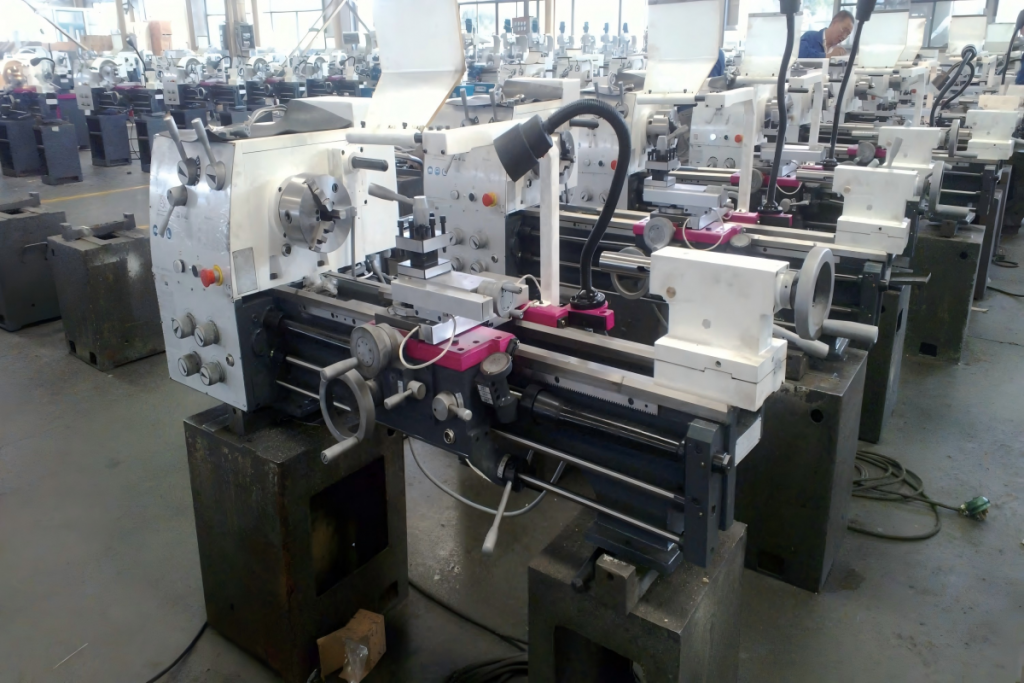
I write from the perspective of someone who has walked factory aisles and taken calls at odd hours. We talk about spindle speeds, fixturing and G-code tweaks because those are practical levers I can reach out and change. But there’s more than pure mechanics: scheduling practices, tool inventory, and communication protocols matter as much as the hardware. As we move into the next section, I’ll examine where standard fixes fall short and what users quietly suffer — then we’ll plot a clearer path forward.
Part 2 — Why usual fixes miss the mark (technical view)
cnc milling services near me often promise quick turnarounds. Yet many shops keep seeing repeat failures. The first 100 words here matter — because the issue is not availability alone; it’s diagnosis and durable repair. Traditional responses typically focus on swapping parts or logging reactive tickets. That helps briefly, sure, but it ignores root causes like toolpath optimisation errors, worn cutting tool geometry, or intermittent CNC controller faults.
Look, it’s simpler than you think: a bad G-code line or a subtle spindle bearing vibration will return, and so will the downtime. Shops admit they lack consistent preventative checks, and crew training on CAM software updates is spotty. I’ve seen setups where fixturing was marginal and nobody logged it as a recurring cause. So while “call the service” works as an emergency step, it doesn’t build resilience. In short — reactive-only maintenance is a bandage, not a fix.
What recurring user pain points should we ask about?
Which machines keep tripping alarms? Which jobs show rising scrap rates? Who last updated the CAM post? Asking specific questions becomes a diagnostic tool. — funny how that works, right?
Part 3 — Moving forward: practical principles and evaluation
Now let’s turn to how we actually improve outcomes. I favour a combined approach: better preventive checks plus smarter service agreements that include data-led diagnosis. New technology principles — simple telemetry, lightweight edge computing nodes on critical machines, and basic vibration monitoring — let us spot degradation long before a crash. When local teams pair this with disciplined tool-change logs and CAM version control, the effect is immediate: fewer surprise stoppages, faster recoveries, and steadier throughput. If you search for cnc machining near me, prioritise providers who can explain how they tie sensor data to actionable maintenance steps.
To pick a good partner, compare on three clear metrics: mean time to repair (MTTR), percentage of repeat failures within 30 days, and clarity of root-cause reports. Those tell you whether a service is band-aid or durable. I also value partners that train shop staff — even a brief refresher on spindle speed checks and proper fixturing pays dividends. The choice is practical: better data, better training, better uptime. And that’s real value you notice on the wage sheet and the delivery calendar.
Conclusion — tangible steps to reduce downtime
We’ve looked at a scene on the shop floor, drilled into why stop-gap fixes fail, and outlined forward-looking principles that actually reduce wasted hours. My takeaways are simple: insist on diagnostic clarity, instrument the critical machines, and measure service providers by outcomes rather than promises. If you adopt those habits, you move from firefighting to planning. Here’s a short checklist I use with clients: 1) log and review alarm patterns weekly; 2) demand root-cause reports for every repeat visit; 3) set target MTTR goals and track them. Follow that, and you’ll see a measurable drop in downtime within months.
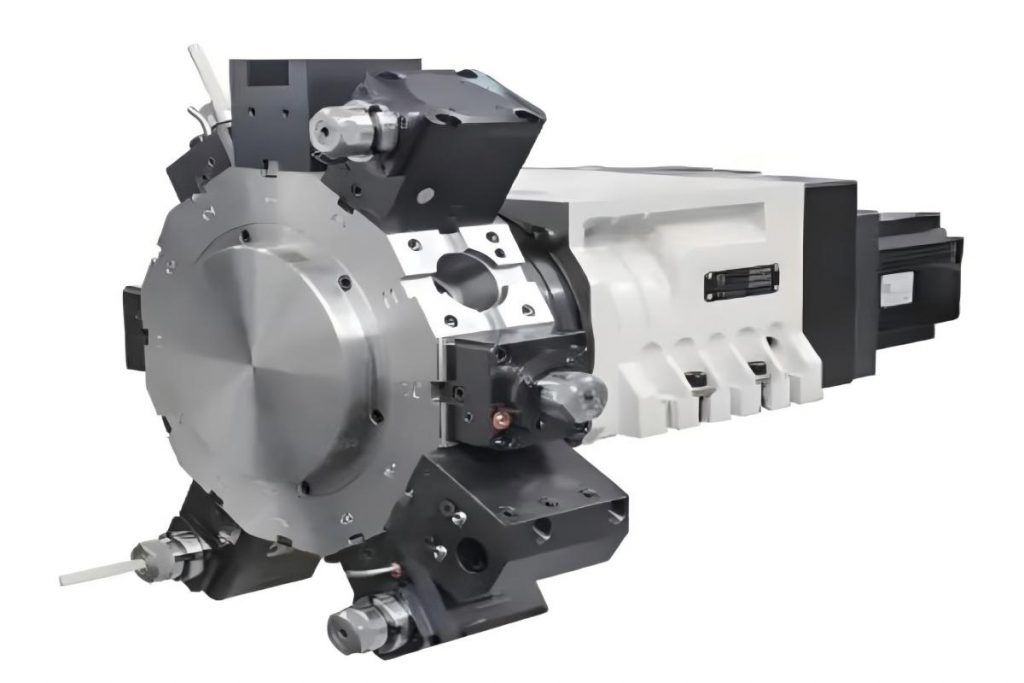
We’re engineers and operators at heart — we want machines to behave predictably. I’ve helped teams implement these steps and watched delivery times improve. — funny how that works, right? For practical help, you may consider vendors who combine field expertise with clear metrics and ongoing training. For one such option, see Leichman.