Fzangfive Lifestyle & Fashion Break Your Best Skin With Dermaplaning In Concord

Break Your Best Skin With Dermaplaning In Concord

If you re looking for a promptly and operational way to accomplish sande, brighter skin, dermaplaning is an first-class pick. This conciliate exfoliation treatment removes dead skin cells and fine facial hair(peach fuzz), going away your skin refulgent and rested. At Lexington Prime Aesthetics Wellness, we specialise in professional person dermaplaning treatments that deliver immediate, noticeable results.

What Is Dermaplaning?

Dermaplaning is a non-invasive skincare function that uses a uninventive preoperative vane to mildly exfoliate the skin s surface. The work on removes dead skin cells and blab out fuzz, disclosure a electric sander texture and enhancing the strength of skin care products. Dermaplaning is appropriate for most skin types and provides a flawless canvas for makeup practical application.

Benefits of Dermaplaning

Dermaplaning offers a variety of benefits for those quest a refreshed , including:

  • Smoother skin texture
  • Improved radiance and glow
  • Reduction of fine lines and mild acne scars
  • Better absorption of skin care products
  • Flawless makeup application

This handling is perfect for anyone looking to enhance their skin s cancel peach without .

What to Expect During Treatment

Dermaplaning is a painless and relaxing function. During the treatment, a trained professional person gently glides a uncreative blade over your skin to transfer dead cells and vellus hair. The work on typically takes 30 to 45 proceedings and requires no downtime, qualification it a handy option for busy schedules.

After your sitting, your skin will feel silklike-smooth and appear more effulgent, with no recovery time needed.

Is Dermaplaning Right for You?

Dermaplaning is apotheosis for individuals who want to attain electric sander, more even skin. It s especially salutary for those with:

  • Dull or scratchy skin tone
  • Dry patches or tender skin
  • Fine lines or mild acne scars
  • Peach fuzz that hinders war paint application

Our skin care experts will tax your skin and advocate the best treatment plan for your needs.

Why Choose Lexington Prime Aesthetics Wellness?

At Lexington Prime Aesthetics Wellness, we unite expert care with sophisticated techniques to deliver superior results. Our dermaplaning treatments are performed by mean professionals who prioritize your solace and gratification. Whether it s your first dermaplaning session or part of your regular skincare subprogram, we re here to help you achieve your best skin yet.

Learn more about our dermaplaning services in Lexington and book your appointment today

Contact Lexington Prime Aesthetics Wellness at 859-785-1681 or travel to us at 989 Governors Lane, Suite 375, Lexington, KY 40513. Open Monday through Friday, 9am to 5pm.

Leave a Reply

Your email address will not be published. Required fields are marked *

Related Post

The Art and Science of Jersey Design: Crafting Identity, Performance, and StyleThe Art and Science of Jersey Design: Crafting Identity, Performance, and Style

Jersey design is a fascinating intersection of creativity, functionality, and cultural representation. Once a simple piece of athletic gear, the modern jersey has evolved into an iconic symbol that represents not only a team’s identity but also the aspirations and emotions of athletes and fans alike. Whether for professional athletes or passionate supporters, jerseys have become cultural artifacts that hold significant value in sports and fashion alike. In this article, we’ll explore the intricate art and science behind jersey design, examining how creativity, technology, and branding merge to create a timeless and functional garment.

The Origin and Evolution of Jersey Design

In its earliest days, the jersey was a simple garment designed to serve as a uniform for athletes. Early jerseys were typically made from cotton or wool, serving purely practical purposes—providing coverage, comfort, and ease of movement. These early designs were rudimentary, consisting of basic colors, numbers, and sometimes the name of the team.

As the popularity of sports grew in the 20th century, jerseys began to evolve beyond mere functionality. They became tools for team branding, representing the unique identity of each franchise or organization. Over time, colors, logos, and patterns started to hold deeper meanings—embodying the history, culture, and aspirations of the teams and communities they represented.

By the 1980s and 1990s, jerseys transitioned from mere utilitarian items into key elements of fan culture, transcending the field of play to become cherished possessions worn proudly by supporters. Today, jersey design has grown into an art form, with intricate designs that balance functionality, aesthetics, and cultural significance.

The Intersection of Performance and Design

A jersey is primarily an article of performance gear, and its design must serve the practical needs of athletes. A good jersey must optimize comfort, freedom of movement, and durability—ensuring that athletes can perform at their highest level without being hindered by their clothing. This delicate balance between performance and aesthetics is what makes modern jersey design so complex.

  1. Materials and Innovation Modern jerseys are crafted from high-tech fabrics designed to enhance performance. Materials like polyester, spandex, and Lycra are lightweight, durable, and moisture-wicking, ensuring that athletes stay dry and comfortable even during the most intense physical activity. These materials are also flexible, allowing athletes to move freely and without restriction.

    The innovation of fabrics has also led to the development of specialized jerseys, such as those designed for extreme weather conditions. For example, jerseys may feature cooling technology to regulate body temperature in hot climates or insulation to provide warmth in colder weather. These performance-driven innovations are crucial in optimizing an athlete’s capabilities, offering a functional advantage on the field.

  2. Fit and Functionality In addition to the fabric, the cut and fit of a jersey are also crucial to its performance. A tight-fitting jersey reduces air resistance, making it ideal for sports like cycling, running, or swimming. However, the fit varies depending on the sport and the desired functionality. For team sports like basketball or soccer, jerseys tend to be slightly looser to allow for greater range of motion, while still maintaining a streamlined look.

    The design of a jersey must also accommodate factors like breathability, moisture control, and durability. Mesh panels, for instance, are often incorporated into jerseys to increase airflow and prevent overheating. At the same time, jerseys need to be durable enough to withstand the physical wear and tear that comes with competitive sports.

The Cultural Impact of Jerseys

Jersey design is not just about creating functional gear—it's also about representing identity, unity, and culture. A jersey serves as a visual representation of a team’s history, its community, and its values. The design of a jersey can evoke strong emotional connections and create a sense of belonging among fans and athletes alike.

  1. Team Identity and Pride The color scheme and logos of a jersey are powerful symbols of team identity. Every team’s jersey tells a story, often deeply connected to its city, region, or cultural roots. For instance, the New York Yankees’ iconic navy blue and white colors evoke a sense of tradition, history, and pride. Similarly, the green jerseys of the Boston Celtics symbolize the team’s legacy in basketball and its deep ties to the city’s Irish heritage.

    These elements of team identity go beyond aesthetics—they create a bond between players and fans. Fans often feel a deep emotional connection to the team they support, and wearing a jersey allows them to demonstrate their loyalty. The jersey becomes more than just a piece of clothing—it becomes a symbol of shared experiences, triumphs, and struggles.

  2. Fashion Influence While jerseys were once seen primarily as functional athletic wear, today they are also considered fashion statements. This shift has been especially noticeable in the world of streetwear, where jerseys are often worn outside the context of sports. From hip-hop culture to high-fashion runways, jerseys have become a staple of casual wear, with oversized fits and bold designs becoming popular in mainstream fashion.

    Designers and brands are increasingly using jersey-inspired elements in their collections, reflecting the fusion of sports and style. Jerseys, particularly from famous teams or iconic players, are now seen as collectible items—symbolic pieces of fashion history. In this way, jerseys have moved far beyond the field to become cultural symbols that transcend sport itself.

The Role of Branding and Sponsorship in Jersey Design

One of the most significant changes in modern 熱昇華印刷 is the increasing importance of branding and sponsorship. Jerseys are no longer just for players—they are valuable marketing tools for teams, sponsors, and corporations. The placement of logos, sponsor names, and brand identities on jerseys has become a strategic part of the design process.

  1. Sponsor Integration Sponsors play a crucial role in the financial landscape of modern sports. As a result, their logos are often prominently featured on jerseys, sometimes on the chest, sleeves, or even the shorts. Balancing the visibility of these logos while maintaining the integrity of the team’s design is an important aspect of the designer’s job.

    The challenge lies in integrating sponsor logos in a way that enhances, rather than detracts from, the overall design of the jersey. Many teams work closely with their sponsors to ensure that their logos are aligned with the team's identity and aesthetic. The result is a jersey that not only represents the team but also promotes the companies that support them.

  2. Creating Iconic Logos and Graphics One of the key elements of jersey design is the creation of a strong, memorable logo. The logo is the focal point of the design, and it must be instantly recognizable, whether it’s on a team’s home jersey or a fan’s shirt. Designers often work to incorporate elements of the team’s history, geography, or values into the logo, creating a lasting visual identity.

    In addition to logos, graphic design elements such as stripes, patterns, and color gradients are often used to enhance the jersey’s overall aesthetic. These elements must be chosen carefully to ensure that they align with the team’s branding and culture, while also remaining visually appealing and functional for the athlete.

The Future of Jersey Design: Innovation and Sustainability

As we look toward the future of jersey design, several exciting trends are emerging, driven by technological advancements and growing environmental awareness.

  1. Smart Jerseys The integration of technology into jerseys is poised to revolutionize the industry. Smart jerseys, embedded with sensors, could provide real-time performance data such as heart rate, body temperature, and muscle strain. This data could be used by athletes and coaches to optimize performance and reduce injury. Additionally, smart fabrics that adjust to environmental conditions—such as regulating body temperature—could enhance the comfort and performance of athletes in extreme conditions.

  2. Sustainability and Eco-Friendly Materials As the world becomes more conscious of the environmental impact of fast fashion, the demand for sustainable jerseys is growing. Many brands are exploring eco-friendly materials such as recycled polyester, organic cotton, and biodegradable fabrics. These sustainable options not only reduce the environmental footprint of production but also appeal to consumers who prioritize eco-conscious choices.

    The future of jersey design will likely see more brands turning to innovative, sustainable practices that ensure jerseys are both high-performance and environmentally responsible.

Conclusion

Jersey design is a unique blend of artistry, science, and culture. From the very beginning as a piece of functional athletic gear to its current role as a cultural icon and fashion statement, the jersey continues to evolve. Modern jersey design goes beyond performance, incorporating elements of identity, history, and emotional connection. With technological innovations on the horizon, jerseys will only continue to enhance the athlete’s experience while remaining a vital part of global fan culture and fashion. As we look ahead, it’s clear that the future of jersey design will be shaped by innovation, sustainability, and the enduring passion of fans and athletes worldwide.

The Art of Adorning Your Nose: Discover the Beauty, Versatility, and History Behind Nose StudsThe Art of Adorning Your Nose: Discover the Beauty, Versatility, and History Behind Nose Studs

Nose studs are one of the most popular and enduring forms of body jewelry, beloved for their understated elegance and rich cultural history. Whether tiny and subtle or bold and eye-catching, these little adornments offer a unique way for individuals to express their style, identity, and personality. The history of nose studs is as fascinating as their modern-day appeal, tracing back to ancient traditions and evolving into a global fashion statement. In this article, we’ll explore the beauty, versatility, and history behind nose studs, revealing why they continue to captivate wearers around the world.

The Aesthetic Appeal of Nose Studs

Nose studs have a remarkable ability to enhance the face in a subtle yet impactful way. Their placement on the nose, often on the nostril, draws attention to the center of the face without overwhelming the overall look. The small size of the stud allows for a delicate touch, making it perfect for those who want to add a bit of sparkle or color without the boldness of larger piercings. nose stud come in a variety of designs and materials, from minimalist gems set in precious metals to intricate designs featuring gold, diamonds, or even colored stones.

A nose stud offers a way to express individuality. Some choose a simple, polished metal stud for an elegant and timeless look, while others opt for more ornate designs that incorporate cultural symbols or gemstones. Nose studs are available in various sizes, making them easy to personalize depending on the wearer’s preferences. Whether someone wants to make a statement or add a subtle, natural accent to their appearance, the versatility of a nose stud makes it an accessible and customizable form of body jewelry.

Versatility in Style and Design

One of the reasons why nose studs have maintained their popularity is their versatility in design. While traditional nose studs are typically a small, simple piece of metal with a single gemstone or ball, modern designs offer a wide range of options for every taste and style.

For those drawn to minimalist aesthetics, small diamond nose studs or subtle gold spheres provide an elegant and refined appearance. On the other hand, individuals looking to embrace bold designs may choose studded nose rings with intricate patterns, sparkling stones, or even customized shapes such as stars, hearts, or animals. The possibilities for personal expression through nose studs are limitless.

The versatility also extends to the materials used in nose studs. Precious metals like gold, silver, and platinum are common choices, but many wearers opt for hypoallergenic materials like titanium or niobium to reduce the risk of irritation. There are also options for those looking for a more eco-conscious choice, with sustainable jewelry brands offering alternatives like recycled materials or lab-grown gemstones.

Cultural and Historical Significance

The history of nose piercings and nose studs spans thousands of years and is deeply intertwined with cultural practices around the world. Nose piercings are thought to have originated in India, with historical evidence suggesting that they were common among women in ancient civilizations. The practice of wearing nose jewelry was believed to symbolize beauty, status, and wealth, with nose studs often made from precious metals like gold and adorned with diamonds or other gemstones.

In India, the tradition of wearing nose jewelry continues to hold cultural and spiritual significance. Nose piercings are considered auspicious, especially when performed on the left nostril, which is believed to correspond to the feminine energy in Ayurvedic medicine. It is not uncommon for brides in India to wear elaborate nose studs, which are seen as symbols of their beauty and marital status.

Throughout the Middle East, North Africa, and parts of South Asia, nose piercings have been practiced for centuries. In these regions, nose rings and studs often represent a blend of cultural identity, religious beliefs, and aesthetic preferences. For instance, in many African cultures, nose piercings are worn as symbols of maturity or as a rite of passage.

In the Western world, nose studs began to gain popularity in the 20th century, particularly in the 1960s and 1970s as part of the counterculture movement. The nose stud became a symbol of rebellion, nonconformity, and freedom of expression. Over the years, the trend continued to evolve, with more individuals embracing nose piercings as a fashion statement or as part of their personal style.

The Modern-Day Popularity of Nose Studs

Today, nose studs are widely recognized as a versatile and fashionable form of body jewelry, popular among people of all ages and backgrounds. Celebrities, influencers, and individuals from every walk of life have embraced nose studs, further cementing their status as a mainstream trend. While many continue to wear nose studs for their cultural significance, others enjoy them purely as a style accessory.

The evolution of nose studs has also been influenced by the rise of social media, where images of nose piercings, both subtle and bold, flood platforms like Instagram, Pinterest, and TikTok. The accessibility of nose studs in various designs and price points makes it easier than ever for people to experiment with this form of adornment.

Conclusion

Nose studs are far more than just a trend; they are a timeless form of body jewelry that holds beauty, versatility, and rich historical significance. From ancient traditions to modern-day fashion, nose studs continue to be an essential part of personal expression and style. Whether you choose a simple design or a more elaborate piece, adorning your nose with a stud can be a beautiful and meaningful way to express your individuality. With a range of styles, materials, and cultural significance, nose studs remain a beloved adornment that transcends both time and trends.

The Future of Printing: Trends, Innovations, and OpportunitiesThe Future of Printing: Trends, Innovations, and Opportunities

Printing has been an essential part of our society for centuries, starting with the invention of the printing press by Johannes Gutenberg in the 15th century. While the digital age has transformed communication, printing continues to play a crucial role in industries such as marketing, education, manufacturing, and art. As technology continues to evolve, the future of printing looks promising, with new innovations offering exciting opportunities. In this article, we will explore some of the latest trends and innovations shaping the future of printing and how they are transforming various industries.

The Digital Revolution in Printing

One of the most significant developments in the printing world is the shift toward digital printing. Digital printing involves directly transferring digital images onto various surfaces, eliminating the need for traditional printing plates. This method has become increasingly popular due to its ability to provide high-quality prints quickly and at a lower cost for small print runs.

The growing demand for personalization and customization in products has made digital printing a key player in industries like fashion, packaging, and marketing. With digital printing, companies can offer on-demand printing, which allows them to print materials as needed rather than in bulk. This flexibility reduces waste and ensures that businesses can meet customer demands without overproduction.

Moreover, digital printing offers more efficient workflows and faster turnaround times, allowing businesses to stay competitive in a fast-paced, on-demand market. As digital printing technology continues to improve, we can expect even greater advancements in speed, quality, and versatility, making it an even more integral part of various industries.

3D Printing: Transforming Manufacturing and Beyond

Perhaps one of the most groundbreaking innovations in the world of printing is 3D printing, also known as additive manufacturing. Unlike traditional printing, which produces two-dimensional images, 3D printing creates three-dimensional objects by adding layer upon layer of material. This technology has the potential to revolutionize industries such as healthcare, automotive, aerospace, and construction.

In the medical field, 3D printing is already being used to create custom prosthetics, implants, and even organs. Surgeons can use 3D-printed models to plan complex surgeries with greater precision, and patients benefit from more personalized, accurate solutions. As the technology advances, 3D printing is expected to make even more significant contributions to healthcare, from the creation of tissue and organ transplants to customized medical devices.

In manufacturing, 3D printing allows for rapid prototyping and the production of intricate parts that would be difficult or impossible to create using traditional methods. Industries like aerospace and automotive are already using 3D printing to produce lightweight and durable components, reducing material waste and cutting production costs. The ability to produce custom parts on demand also reduces the need for large inventories, providing a more sustainable and cost-effective solution.

Additionally, 3D printing is even making its way into construction, with entire buildings being 3D printed using concrete and other materials. This technology has the potential to drastically reduce construction costs and time, making affordable housing more accessible and enabling faster disaster recovery in affected areas.

Eco-Friendly and Sustainable Printing Practices

As the world becomes more environmentally conscious, the printing industry is following suit by adopting more sustainable practices. Eco-friendly printing technologies are on the rise, focusing on reducing waste, conserving energy, and using sustainable materials.

One of the main trends is the use of recycled paper and biodegradable inks. Recycled paper is made from post-consumer waste, reducing the need for virgin wood pulp and minimizing deforestation. Biodegradable inks, often made from plant-based materials, offer a more eco-friendly alternative to traditional petroleum-based inks, which can be harmful to the environment.

In addition to using sustainable materials, many printing companies are focusing on reducing their carbon footprint. Energy-efficient printing presses, solar-powered facilities, and waste-reduction initiatives are helping to minimize the environmental impact of 易拉架 operations.

Print-on-demand services also support sustainability by ensuring that only the necessary quantity of items is produced. This reduces excess inventory, waste, and the carbon footprint associated with shipping unsold goods. Businesses and consumers alike are increasingly opting for on-demand printing to make the most of their resources while minimizing environmental harm.

The Role of Augmented Reality (AR) and Interactive Print

As digital technologies continue to blur the lines between the physical and virtual worlds, augmented reality (AR) is making its way into the printing industry. AR allows users to interact with printed materials using smartphones or AR glasses, unlocking additional content or experiences that go beyond what can be seen on paper alone.

This technology opens up new possibilities for marketing, education, and entertainment. For example, printed brochures, advertisements, or packaging can come to life when scanned with a smartphone, displaying videos, 3D models, or interactive product demos. This level of engagement enhances the user experience and provides brands with a unique way to connect with consumers.

Interactive print also has potential applications in education, where printed textbooks or learning materials could be enhanced with AR elements. Students can interact with lessons in a more immersive way, improving learning outcomes and engagement.

As AR technology becomes more advanced and accessible, we can expect it to play a significant role in the future of printing, creating richer and more dynamic experiences for users.

The Impact of Artificial Intelligence (AI) and Automation

Artificial intelligence (AI) and automation are set to play a crucial role in the future of printing. From predictive maintenance of printing equipment to optimizing print workflows, AI is streamlining the printing process and improving efficiency. AI can analyze production data to anticipate issues before they arise, reducing downtime and minimizing the need for human intervention.

Automation also improves the speed and precision of printing operations. Automated systems can handle everything from color management to packaging, allowing for faster turnaround times and higher consistency in print quality. This is particularly valuable for industries that require large-scale, high-volume printing, such as packaging and advertising.

Moreover, AI-driven design tools are transforming the creative process, enabling designers to generate print-ready designs with greater ease and accuracy. Machine learning algorithms can also analyze consumer behavior to create personalized marketing materials tailored to individual preferences.

Conclusion

The future of printing is bright, with numerous innovations shaping the way businesses, industries, and consumers interact with printed materials. From the rise of digital printing and 3D printing to the adoption of eco-friendly practices and the integration of augmented reality, the printing industry is evolving to meet the demands of a digital and sustainable future.

As technology continues to advance, printing will remain a vital tool for communication, creativity, and industry. With the continuous exploration of new possibilities, the future of printing holds exciting opportunities, offering businesses and consumers a more efficient, personalized, and sustainable way to produce and interact with printed content. The printing industry is not just surviving in the digital age—it is thriving, and its evolution shows no signs of slowing down.

Microblading Eyebrows- Is It Right For YouMicroblading Eyebrows- Is It Right For You

Microblading has become one of the most pop cosmetic treatments to get a dead shaped brow, without the fuss of obtaining a perm tattoo. To be sure about doing microblading, you need to know more, so keep recitation eyeliner correction in calgary.

Microblading is the work of using the thin vane-like instruments to make moderate incisions onto the skin and depositing pigment into it. Substantially different from permanent tattoos, this procedure seldom goes deep into the skin. As eyebrow trends keep evolving, most women choose to have this unique semi permanent wave tattoo for perfectly occupied in and molded eyebrows. However, before you pick out this subprogram, it is essential to know some evidential facts about Microblading eyebrows in Miami.

Semi-permanent procedure

Although microblading involves the same proficiency as getting a tattoo, it is different when compared to the of the pigment when it is placed in the skin. Permanent or traditional tattoo works deeper into the skin and will rarely fade away. On the other hand, microblading involves the use of degradable ink, which might last only for a year or perhaps three years, depending on your modus vivendi and skin type. It is an apotheosis option for those who love to change the visual aspect of their eyebrows often.

Results may vary according to skin types

Microblading yields different results for different skin types. It works dead on dry skin as it has the trend to hold the pigment for a thirster period of time. On the contrary, populate with oily skin are often at the risk of pigment hydration and rejection. It works on oily skin but it might take a while to heal completely and the strokes may not be as scrunch as it should be.

Discomfort and pain

As it is a semi permanent tattoo on the face, you can expect mild pain and discomfort. Most of the artists use local numbing creams to ease the pain. Some people experience mild puffiness and red, which is pattern. However, if you see immoderate puffiness, discomfort, or redness, it is requisite to travel to a doctor as chop-chop as possible. Not everyone is an ideal prospect for this semi permanent tattooing subroutine. Some people might risk infections if they are consuming roue thinners or other medications. It is wise to seek the advice of your Dr. before you take microblading for your eyebrows.

Procedure takes time

Microblading is a subroutine that requires two Sessions. The initial seance takes around two hours when the artist discusses about the wanted visual aspect of your eyebrow, draws a guide and so forth. The tattooing work begins when you okay the drawing or the form of the brow. The next sitting is usually after six to eight weeks after the skin has recovered. However, it is of import to think of that some heal quickly whereas others take some time. The creative person will then make adjustments on the denseness and tinge of the brows.

Before you take microblading eyebrows in Miami, transmit thorough explore on the artist because the stallion routine involves intricacy and safety. Therefore, you need a well-trained and complete creative person to create that absolutely construction brow.

how to design custom hoodies for unique style?how to design custom hoodies for unique style?

Custom hoodies have become a cornerstone of modern streetwear, and their popularity has skyrocketed in recent years. Brands like palace skateboards have shown the world that a simple hoodie can carry massive style influence when paired with thoughtful design.
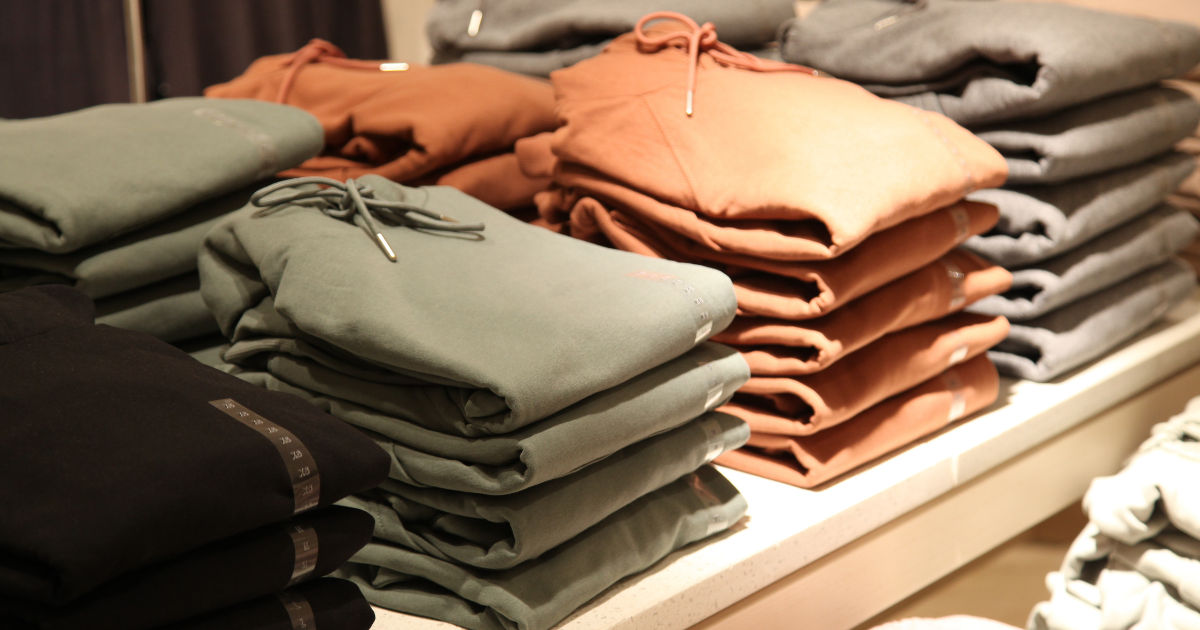
If you want to stand out and express your personality, designing your own hoodie is the perfect way to make a statement. In this guide, we’ll explore everything you need to know to create hoodies that are uniquely yours, from choosing materials to creating graphics, picking colors, and perfecting your style.

Understanding the Basics of Hoodie Design

Before you start sketching your dream hoodie, you need to understand the elements that make a hoodie stylish. A hoodie isn’t just a piece of clothing—it’s a canvas for your creativity.

Hoodie Styles

Hoodies come in many shapes and forms. The most common types include:

  • Pullover hoodies – The classic, cozy style with no zipper. Perfect for layering.

  • Zip-up hoodies – Versatile and easy to wear, great for casual everyday outfits.

  • Oversized hoodies – Popular in streetwear culture, they create a relaxed, bold look.

  • Cropped hoodies – Trendy among younger audiences, offering a modern twist on classic designs.

Each style communicates a different vibe. For instance, oversized hoodies exude comfort and casual streetwear vibes, while cropped hoodies are playful and fashionable.

Hoodie Materials

Material choice dramatically affects both style and comfort. Popular materials include:

  • Cotton – Soft, breathable, and versatile. Great for casual wear.

  • Fleece – Warm and plush, perfect for colder weather.

  • Polyester blends – Durable, wrinkle-resistant, and perfect for printing vibrant designs.

  • French terry – Lightweight with a smooth outer surface and looped inner texture for comfort.

Selecting the right material is essential because it affects how your design will appear, how comfortable the hoodie feels, and how long it lasts.

Defining Your Unique Style

To design a hoodie that truly stands out, you need to define what makes your style unique. This involves more than picking colors—it’s about creating a story through your hoodie.

Inspiration and Research

Look around for inspiration from streetwear brands like palace skateboards. Check fashion magazines, online platforms like Instagram and Pinterest, and even music culture. Observe patterns, logos, color palettes, and graphics that resonate with you. Don’t copy, but use them as a springboard to develop your own concepts.

Identifying Your Theme

Choose a theme or concept that reflects your personality. Some popular themes include:

  • Urban street culture – Graffiti patterns, bold graphics, and edgy color combinations.

  • Minimalism – Clean lines, neutral colors, and subtle logos.

  • Retro or vintage – Throwback colors and patterns inspired by past decades.

  • Nature-inspired – Earth tones, floral prints, and outdoor motifs.

A strong theme ensures your hoodie design is cohesive and intentional.

Choosing the Right Colors

Color is one of the most powerful tools in hoodie design. The colors you pick influence mood, style, and how others perceive your design.

Color Psychology

Colors communicate emotions and style. For example:

  • Black – Sleek, mysterious, and versatile.

  • White – Clean, minimalistic, and timeless.

  • Red – Bold, energetic, and attention-grabbing.

  • Pastels – Soft, playful, and trendy.

Use a limited color palette to maintain a professional look. Too many clashing colors can overwhelm the design.

Color Placement

Decide where to place your colors. Should the hoodie be a solid color with a vibrant graphic? Or a mix of contrasting panels for an edgy streetwear feel? Many palace skateboards hoodies utilize color blocking for a distinct, eye-catching style.

Graphic Design for Hoodies

Graphics are the heart of custom hoodies. They tell the story of your style and brand your look.

Digital Design Tools

Start by creating digital mockups using software like:

  • Adobe Illustrator – Perfect for vector graphics.

  • Photoshop – Great for detailed, photo-based designs.

  • Canva – User-friendly and ideal for beginners.

Creating a digital version allows you to experiment with placement, scale, and color without committing to physical materials.

Types of Graphics

There are many graphic options to consider:

  • Logos and text – Simple yet powerful, like palace skateboards’ iconic triangle logo.

  • Illustrations – Drawings or digital art can make your hoodie unique.

  • Patterns and prints – Camouflage, stripes, or abstract designs.

  • Tie-dye or bleach effects – Adds texture and personality.

Remember, graphics should complement the hoodie’s style. Oversized prints suit streetwear aesthetics, while small, subtle logos are ideal for minimalistic designs.

Placement of Graphics

Where you place your design affects the hoodie’s overall look. Consider these common options:

  • Center chest – Bold and visible.

  • Back – Offers a larger canvas for detailed art.

  • Sleeves – Adds flair to movement.

  • Hood – Small but eye-catching when visible from behind.

Adding Personal Touches

Custom hoodies are about individuality. Personal touches make your hoodie one-of-a-kind.

Embroidery and Patches

Embroidery adds texture and a premium feel. Patches can be sewn or ironed on to showcase logos, initials, or symbols that represent your style.

Custom Drawstrings and Zippers

Even minor details like the color of drawstrings or the style of a zipper can enhance the uniqueness of your hoodie. Consider metal zippers, neon strings, or patterned drawstrings for added flair.

Inside Labels and Tags

Include your own brand or personal message on the inside label. Small details like this make the hoodie feel professional and intentional.

Sizing and Fit

The right fit is crucial for both comfort and style. Hoodies that are too tight may be uncomfortable, while baggy hoodies may lose shape.

Standard Sizes

Use standard sizing charts as a reference but consider creating custom sizes if you want a perfect fit. Measure chest width, hoodie length, sleeve length, and shoulder width.

Oversized and Relaxed Fits

Oversized hoodies are extremely popular in streetwear. They create a bold aesthetic and allow for layering. Many palace skateboards hoodies use slightly relaxed fits to achieve this modern look.

Crop and Tailored Fits

Cropped hoodies cater to a more fashion-forward audience. Tailored fits are sleek and ideal for minimalistic or premium designs.

Printing Methods

Once you’ve designed your hoodie, you need to bring it to life. Choosing the right printing method ensures your graphics look sharp and durable.

Screen Printing

Screen printing is a traditional method where ink is pushed through a mesh stencil. It works best for bold, simple designs and lasts a long time.

Heat Transfer

Heat transfer uses heat to apply vinyl or printed graphics. It’s ideal for small runs and allows for complex designs with multiple colors.

Direct-to-Garment (DTG) Printing

DTG printing works like an inkjet printer on fabric. It’s excellent for detailed artwork and vibrant colors but works best on cotton or cotton-blend hoodies.

Embroidery

Embroidery adds texture and dimension. It’s perfect for logos, initials, or small accents and gives your hoodie a premium feel.

Layering and Styling

Your hoodie’s style isn’t complete without knowing how to wear it. Layering is essential for creating looks that pop.

Layering with Jackets

Pair your hoodie with denim jackets, leather jackets, or oversized coats. This adds depth and dimension to your outfit while keeping it streetwear-ready.

Accessorizing

Add hats, beanies, or jewelry to enhance your hoodie outfit. Scarves and backpacks can also add personality.

Matching with Bottoms

Consider pairing hoodies with:

  • Slim jeans for a sleek look

  • Joggers for a casual, comfy vibe

  • Shorts for a sporty style

The right combination will highlight your hoodie design while complementing your overall outfit.

Sustainability in Hoodie Design

Many designers are now prioritizing eco-friendly materials and ethical production. Consider using:

  • Organic cotton

  • Recycled fabrics

  • Water-based inks

Sustainable hoodies not only reduce environmental impact but also resonate with conscious consumers.

Building Your Brand with Custom Hoodies

Designing a hoodie is just the first step. If you want to make an impact, consider building a personal brand.

Social Media Presence

Showcase your designs on platforms like Instagram, TikTok, and Pinterest. Engage with followers and get feedback on new designs.

Limited Editions

Creating limited-run hoodies increases exclusivity and demand. Collaborations, even small ones, can also enhance your credibility and reach.

Storytelling

Every hoodie should tell a story. Whether it’s a design inspired by your hometown or your favorite artist, having a narrative connects your audience to your product.

Mistakes to Avoid

When designing custom hoodies, avoid these common pitfalls:

  • Overcomplicating designs – Sometimes less is more.

  • Ignoring fabric quality – Cheap materials undermine your design.

  • Poor sizing – Ill-fitting hoodies can ruin the look.

  • Copying existing brands – Stay original and avoid legal issues.

Being mindful of these mistakes will help ensure your hoodie is professional and stylish.

Conclusion

Designing custom hoodies for unique style is a rewarding and creative process. From choosing the right materials and colors to adding graphics and personal touches, every decision contributes to the overall impact of your design. Brands like palace skateboards demonstrate the power of a thoughtfully designed hoodie in streetwear culture, inspiring designers to experiment and innovate. Remember, your hoodie should reflect your personality, values, and creativity. By considering style, fit, graphics, and sustainability, you can create hoodies that are not only fashionable but also truly one-of-a-kind. Whether you are designing for personal use or building a brand, custom hoodies offer endless opportunities to express yourself and make a statement. Take your ideas from concept to reality, and your hoodie could become the centerpiece of your style identity.